
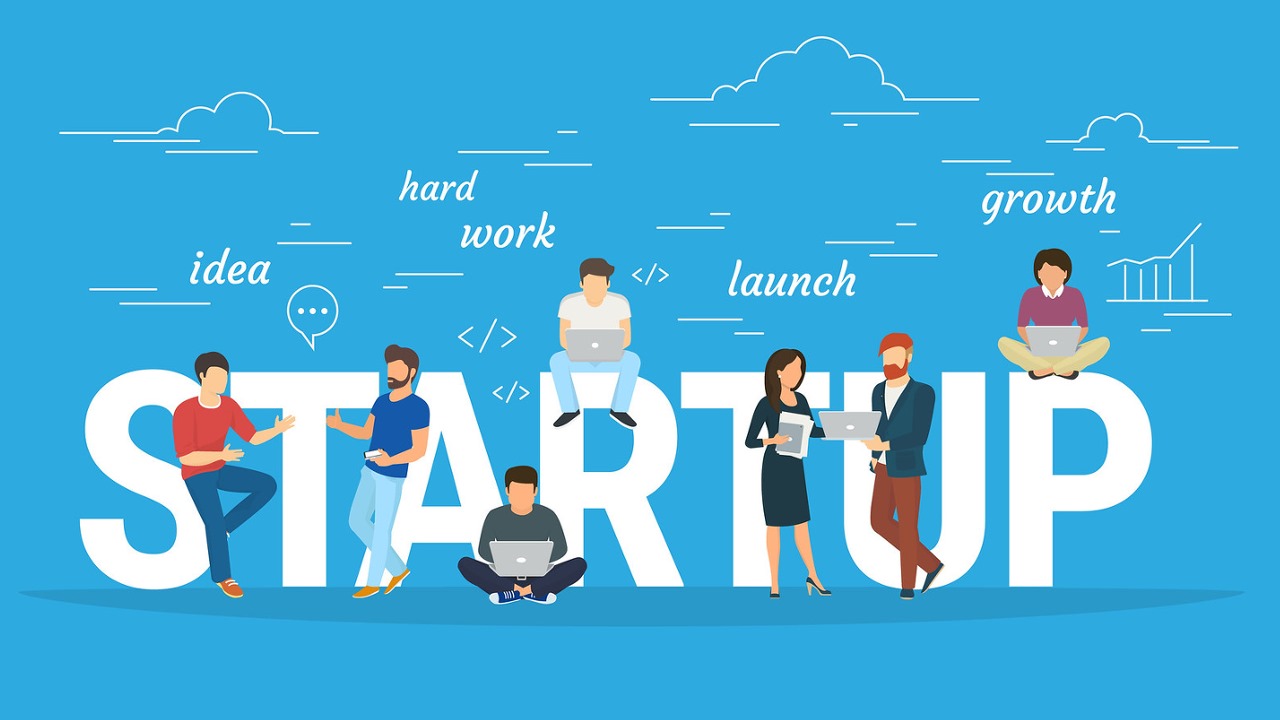
So, you’re a startup, brimming with innovative ideas and ready to disrupt the market? Fantastic! But in today’s digital landscape, a brilliant concept is only half the battle. You need a robust online presence, and that’s where understanding the nuances of web development becomes absolutely crucial. Think of your website as your digital storefront – it’s often the first interaction a potential customer has with your brand. It needs to be impressive, functional, and perfectly aligned with your business goals. But where do you even begin?
This article aims to demystify the world of web development, specifically tailored for startups. We’ll explore the key considerations, potential pitfalls, and essential strategies to ensure your online presence is a resounding success. We’ll cover everything from choosing the right platform to understanding the importance of user experience, and ultimately, how to leverage the power of the internet to grow your business. Ready to dive in?
Why Web Development Matters for Startups
Let’s face it: the world is a vibrant hub of innovation and entrepreneurial spirit. However, that also means competition can be fierce. A professionally designed and developed website can be the difference between thriving and simply surviving. It’s not just about having a pretty online brochure; it’s about creating a dynamic, engaging platform that drives leads, fosters customer loyalty, and builds brand recognition.
Consider this: a well-optimised website offers 24/7 availability, allowing potential customers to learn about your products or services at their convenience. It provides a central hub for all your marketing efforts, from social media campaigns to email newsletters. And perhaps most importantly, it allows you to gather valuable data about your target audience, enabling you to refine your offerings and tailor your marketing strategies for maximum impact. Neglecting your website is like leaving money on the table – a mistake no startup can afford to make.
Key Considerations for Web Development
Before you even begin thinking about colours and fonts, there are several crucial factors to consider. These foundational elements will shape the entire web development process and ultimately determine the success of your online presence.
1. Defining Your Goals
What do you want your website to achieve? Are you primarily focused on generating leads, selling products online, building brand awareness, or providing customer support? Clearly defining your goals will inform every aspect of the development process, from the site’s structure and functionality to its design and content. For example, an e-commerce website will require robust payment processing and inventory management capabilities, while a lead-generation website will prioritise contact forms and compelling calls to action.
2. Understanding Your Target Audience
Who are you trying to reach? What are their needs, preferences, and online behaviours? Understanding your target audience is essential for creating a website that resonates with them and encourages them to take action. Conduct thorough market research to identify your ideal customer profile, and use this information to inform your design, content, and marketing strategies. Think about their pain points and how your website can provide solutions.
3. Choosing the Right Platform
There are numerous website platforms available, each with its own strengths and weaknesses. Popular options include WordPress, Shopify, Wix, and Squarespace. WordPress offers unparalleled flexibility and customisation options, making it ideal for complex websites with specific requirements. Shopify is a dedicated e-commerce platform, perfect for businesses looking to sell products online. Wix and Squarespace are user-friendly drag-and-drop builders, suitable for simple websites with limited functionality. Choosing the right platform depends on your budget, technical expertise, and specific needs.
4. Budgeting for Web Development
Web development costs can vary significantly depending on the complexity of the project, the platform used, and the agency or freelancer you choose. It’s essential to establish a realistic budget upfront and stick to it. Don’t be tempted to cut corners, as this can often lead to problems down the line. Remember that your website is an investment in your business, and a well-designed and developed site can generate significant returns over time.
Navigating the Web Development Process
Once you’ve defined your goals, understood your target audience, chosen a platform, and established a budget, it’s time to delve into the web development process itself. This typically involves several key stages:
1. Planning and Strategy
This is where you map out the structure and functionality of your website. Create a sitemap to define the hierarchy of your pages, and develop wireframes to visualise the layout of each page. Consider the user journey and ensure that visitors can easily find the information they need. This stage is crucial for ensuring a smooth and efficient development process.
2. Design and Visuals
Your website’s design should be visually appealing, consistent with your brand, and optimised for user experience. Choose a colour palette, typography, and imagery that reflect your brand personality and resonate with your target audience. Ensure that your website is responsive, meaning it adapts seamlessly to different screen sizes and devices. A website that looks great on a desktop but is unusable on a mobile phone is a major turnoff for potential customers.
3. Content Creation
Content is king! Your website’s content should be informative, engaging, and optimised for search engines. Write clear, concise copy that highlights the benefits of your products or services. Use high-quality images and videos to enhance your message. And most importantly, ensure that your content is relevant to your target audience and provides value to them. Consider hiring a professional copywriter to ensure your content is top-notch.
4. Development and Coding
This is where your website comes to life. Developers use code to build the functionality and features of your website. This may involve custom coding, integrating third-party plugins, and setting up databases. It’s essential to work with experienced developers who understand best practices and can ensure that your website is secure, reliable, and scalable. We spoke to a web development agency in Perth who said finding reputable companies offering bespoke web development can be a game changer.
5. Testing and Quality Assurance
Before launching your website, it’s crucial to thoroughly test it to ensure that everything is working correctly. Test your website on different browsers and devices to ensure compatibility. Check for broken links, typos, and other errors. And most importantly, get feedback from real users to identify any usability issues.
6. Launch and Promotion
Congratulations, your website is ready to launch! But the work doesn’t stop there. You need to promote your website to drive traffic and generate leads. Use social media, email marketing, and search engine optimisation (SEO) to get your website in front of your target audience. Consider running online advertising campaigns to reach a wider audience.
The Importance of SEO for Startups
Speaking of SEO, it’s absolutely critical for startups. SEO is the process of optimising your website to rank higher in search engine results pages (SERPs). The higher your website ranks, the more traffic you’ll receive. And the more traffic you receive, the more leads and customers you’ll generate. It’s a virtuous cycle.
Effective SEO can give you a significant edge. It allows you to reach potential customers who are actively searching for your products or services. It builds brand awareness and establishes you as an authority in your industry. And perhaps most importantly, it’s a cost-effective way to generate leads and drive sales. Investing in professional SEO services is an investment in your long-term success.
Common Web Development Mistakes to Avoid
Even with the best intentions, startups can often make costly mistakes during the web development process. Here are a few common pitfalls to avoid:
1. Neglecting Mobile Optimisation
In today’s mobile-first world, neglecting mobile optimisation is a cardinal sin. A significant portion of your website traffic will come from mobile devices, so it’s essential to ensure that your website is fully responsive and provides a seamless user experience on smartphones and tablets. Google also prioritises mobile-friendly websites in its search rankings, so mobile optimisation is crucial for SEO.
2. Ignoring User Experience (UX)
User experience (UX) refers to the overall experience a user has when interacting with your website. A positive UX is essential for keeping visitors engaged and encouraging them to take action. Ensure that your website is easy to navigate, loads quickly, and provides valuable content. Conduct user testing to identify any usability issues and make improvements accordingly.
3. Overlooking Website Security
Website security is paramount, especially if you’re handling sensitive customer data. Implement robust security measures to protect your website from hacking, malware, and other threats. Use strong passwords, keep your software up to date, and install a security certificate (SSL) to encrypt data transmitted between your website and your visitors. A security breach can damage your reputation and cost you customers.
4. Failing to Track Analytics
Website analytics provide valuable insights into how visitors are interacting with your website. Track key metrics such as traffic sources, bounce rate, conversion rate, and time on site. Use this data to identify areas for improvement and optimise your website for better performance. Google Analytics is a free and powerful tool that can provide you with all the data you need.
Finding the Right Web Development Partner
Choosing the right web development partner is crucial for the success of your project. Look for an agency or freelancer with a proven track record, a strong portfolio, and a deep understanding of the market. Ask for references and speak to previous clients. Ensure that they understand your business goals and can provide you with a tailored solution that meets your specific needs. Don’t be afraid to shop around and compare quotes. The best web developers will be transparent with their pricing and processes.
Future-Proofing Your Website
The digital landscape is constantly evolving, so it’s essential to future-proof your website to ensure it remains relevant and effective. Stay up-to-date with the latest trends and technologies. Regularly update your website’s content and design. And most importantly, be prepared to adapt to changing user behaviours and market conditions. Think about incorporating emerging technologies like AI and machine learning into your website to enhance the user experience. The key to long-term success is continuous improvement.
Investing in Professional Web Development Services
While it might be tempting to try and build your website yourself using a DIY platform, investing in professional web development services is almost always a better option, especially for startups. A professional web developer can bring years of experience and expertise to the table, ensuring that your website is well-designed, functional, and optimised for success. They can also provide ongoing support and maintenance, freeing you up to focus on running your business. Consider it an investment in your future, not just an expense. After all, your website is often the first impression you make on potential customers, so it’s worth getting it right.