
I have been doing research into electronic home security systems and monitoring. I’ve discovered a new trend among providers: offering no-contract packages. No-contract home security typically come with a slightly higher price. So is it worth the money?
Before going any further, I have to emphasize that I am referring to professionally installed and monitored home security here. DIY home security is a completely different animal with its own price structure. Professional home security comes from companies like Vivint. And Vivint offers an entry-level package they call HomeProtect. It can be purchased with or without a contract.
What ‘No-Contract’ Really Means
In the world of professional home security, no-contract means a system that is not tied to a multi-year professional monitoring contract. In Vivint’s case, monthly monitoring contracts typically run for 36 months. I have run across other providers willing to go as little as 12 months and as high as 60.
Signing a contract means agreeing to maintain a monthly monitoring subscription for the term. If you have to cancel early for whatever reason, you are likely to pay early cancellation fees and other penalties. Home security providers implement the extra fees to protect their investment.
The good news for consumers is that there is a trade-off. In exchange for signing a multi-year contract, most providers will offer a discounted price on equipment and/or monitoring itself. That’s the way it works with Vivint’s HomeProtect package. You’ll pay more for the equipment and a slightly higher monthly charge if you go with a no-contract option. But agree to a contract and you will save on both fronts.
4 Legitimate No-Contract Scenarios
When money is the exclusive driving factor in home security decisions, it’s easy to choose a contract package to save some money. But are there other things in play? Are there legitimate reasons to pay a little extra for a package without a contract? Absolutely.
Here are four scenarios for which no-contract home security is ideal:
1. You Are a Renter
Renters are at a disadvantage with home security from day one. Most leases don’t allow them to physically alter their homes, which limits the devices they can install. On top of that, renters do not always stay in the same place year after year.
Wireless technology makes it possible to build a basic home security system without the need for drilling holes, running electrical lines, etc. Now, with no-contract home security packages, you can also invest in a good system without being locked into several years of monthly monitoring.
2. Plans to Sell Your Home
If you want a home security system today, delaying an investment simply because you are thinking of selling your home next year doesn’t make sense. Burglars aren’t going to avoid your home because they find out you have plans to sell. A no-contract option may be your best bet.
You can go with a no-contract package until you eventually sell, then transfer the equipment to your new home (if possible) and sign up for a contract then. Choose the right provider and they might move your equipment for you.
3. Your Monthly Budget Won’t Support Another Bill
No-contract home security allows you to pay for monitoring on a month-to-month basis. Let’s say your budget will not accommodate another bill right now. A no-contract option lets you self-monitor for the time being. You can always sign up for monitoring when your budget will support it.
There is a critical thing to consider with this scenario: not having your system monitored could mean it only works as a noise-making alarm. When you shop, make sure you read the details of any no-contract plan you might consider.
4. You Just Don’t Like Contracts
You might choose to go with a no-contract option just because you don’t like contracts. It’s perfectly legitimate. Some people avoid long-term contracts of any kind. They will not sign a contract for their internet service, phone, streaming, etc.
Going contract-free gives you a level of freedom and flexibility you just can’t get otherwise. If that’s important to you, no-contract home security packages are probably right up your alley. Just do yourself a favor and shop around. Make sure you’re getting the best possible price.
DIY Home Security With No Contract
Though this post has dealt mainly with professionally installed and monitored home security, we cannot ignore the DIY option. It is the ultimate choice for someone who wants electronic home security without any contractual obligations. Consumers can go with a prepackaged DIY system or build their home security from the ground up.
The one big advantage of DIY security is being able to do things exactly the way you want to. There are some limits with prepackaged systems, but building from the ground up would give you total control. Of course, there are compromises too.
When you go the DIY route, it almost always means self-monitoring or paying for a substandard service. Self-monitoring is possible, but it requires your total attention. You have to constantly pay attention for phone notifications. Every time a notification comes in, you have to figure out what’s going on and determine if you need help from the authorities.
Professional Installation Can Be Very Helpful
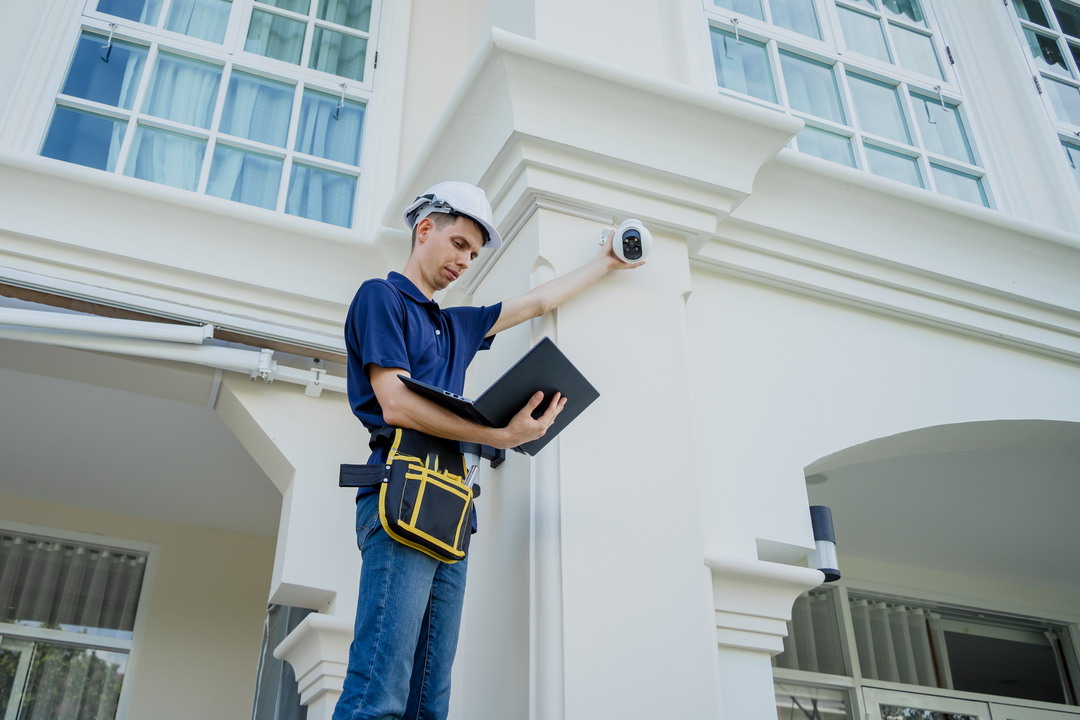
Installation is the other thing with DIY home security. From a technology standpoint, wireless devices are as easy to install as anything else you might connect to Wi-Fi. The struggle for most homeowners is to understand where to place cameras, the best way to install door sensors, and that sort of thing. It’s not as easy as it sounds.
Improperly placed cameras and motion detectors can lead to regular false alarms. That’s not a good thing if you’re self-monitoring. It’s not good for professional monitoring either, but professional techs know how to place and install equipment to limit false alarms.
Whether you should pay for professional service is a matter of personal preference. Likewise for choosing a no-contract package. Going without a contract has its advantages and disadvantages. Make sure you know them before making a choice.
Key Points
- No-contract home security typically comes with a slightly higher price compared to contract options.
- Vivint offers a HomeProtect package that can be purchased with or without a contract, with contracts usually spanning 36 months.
- No-contract options are ideal for renters, those planning to sell their homes, individuals on a tight budget, or those who dislike long-term contracts.
- With no-contract home security, consumers can pay for monitoring on a month-to-month basis without committing to a long-term obligation.
- DIY home security systems allow consumers total control but often require self-monitoring, which can be demanding.
- Professional installation can help ensure proper placement of security devices, reducing the likelihood of false alarms.