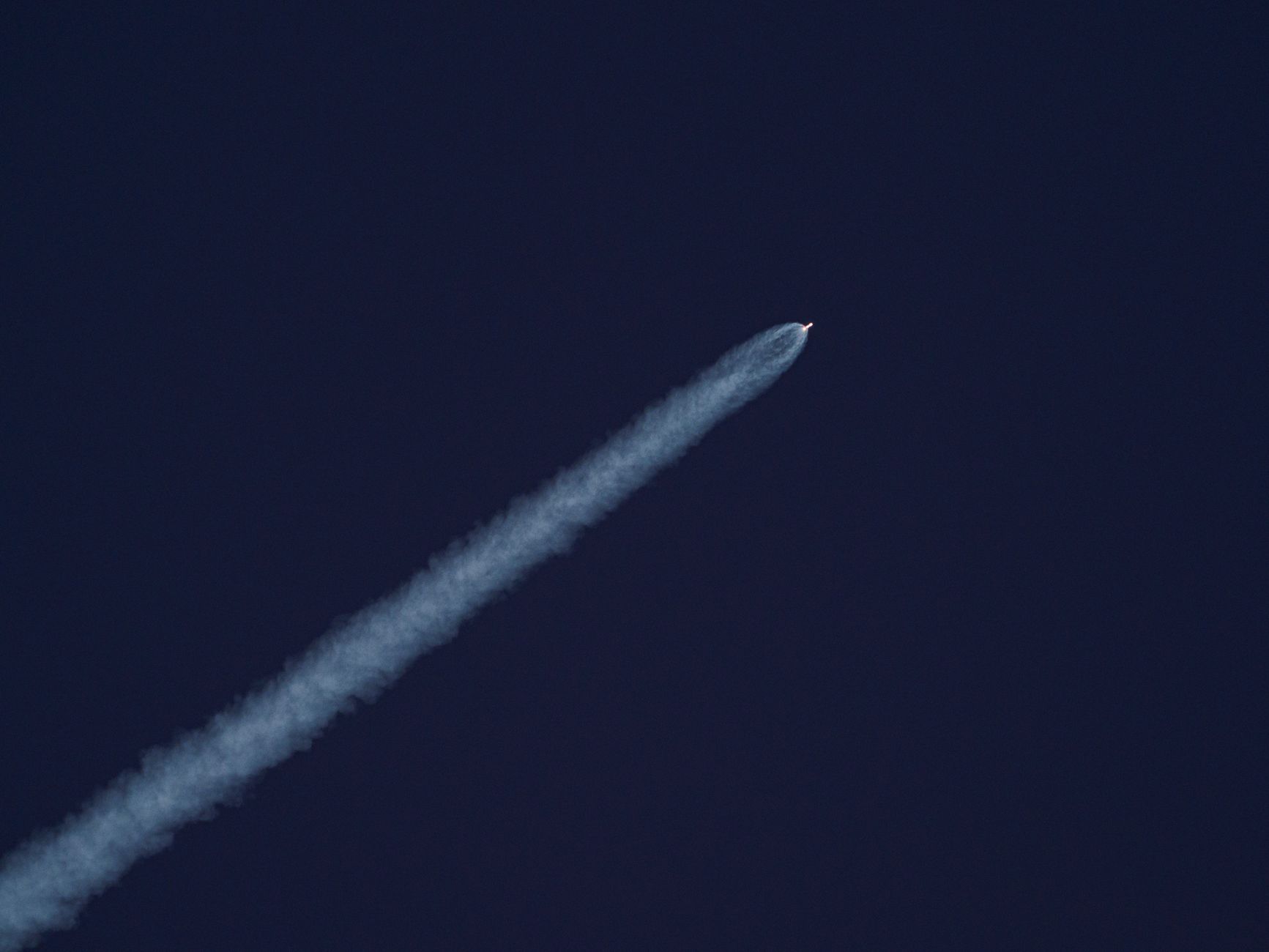
KARI Nuri rocket launch is set to take place seven more times by 2032, with an exciting small lunar lander mission planned for 2030.
Overview of KARI Nuri’s mission plans
The KARI Nuri rocket launch marks a significant milestone for the Korea Aerospace Research Institute (KARI) as they outline their ambitious mission plans for the coming years. With a total of seven planned launches by 2032, KARI aims to establish a strong presence in the realm of space exploration.
One of the most notable missions on their agenda is the deployment of a small lunar lander, scheduled for 2030. This mission is expected to pave the way for more advanced explorations and scientific research on the lunar surface.
In addition to the lunar lander, KARI has outlined a series of objectives that include:
- Satellite Deployment: Launching small satellites to enhance communication and research capabilities.
- Technological Advancements: Testing new technologies that can be utilized in future deep-space missions.
- International Collaboration: Working with global partners to share knowledge and resources.
As the KARI Nuri rocket launch approaches, anticipation builds within the scientific community and among space enthusiasts, eager to witness the advancements that will arise from these planned missions.
Future launches and their significance
The KARI Nuri rocket launch is not just a milestone for South Korea’s space ambitions; it sets the stage for future missions that promise to expand our understanding of the cosmos. With plans for seven more launches by 2032, the significance of these upcoming missions cannot be understated.
Among the most anticipated is the small lunar lander set for launch in 2030. This mission aims to gather critical data about the lunar surface, paving the way for potential future explorations and even manned missions. The insights gained from the lunar lander could play a pivotal role in advancing technology for deeper space exploration.
Future launches will focus on:
- Scientific Research: Conducting experiments that could lead to breakthroughs in various fields.
- International Collaboration: Partnering with global space agencies to enhance technological exchange.
- Commercial Opportunities: Opening avenues for private sector involvement in space exploration.
As the KARI Nuri rocket launch continues to demonstrate success, it builds a foundation for a robust space program that not only aims for the moon but also looks beyond, fostering a future where South Korea plays an integral role in global space exploration.
The role of the lunar lander in 2030
The upcoming KARI Nuri rocket launch is set to play a critical role in advancing lunar exploration with the inclusion of a small lunar lander aimed for deployment in 2030. This mission is part of a broader strategy by the Korea Aerospace Research Institute (KARI) to establish a sustained presence on the Moon and enhance its capabilities in space exploration.
The lunar lander is designed to conduct various scientific experiments and gather data that will inform future missions. The primary objectives of the lander include:
- Conducting geological surveys: The lander will analyze the lunar surface to better understand its composition.
- Testing new technologies: It will evaluate advanced systems that could be utilized in subsequent missions.
- Supporting international collaboration: The data collected may be shared with global partners to foster cooperative exploration efforts.
As the KARI Nuri rocket launch progresses, the insights gained from the lunar lander will not only benefit South Korea’s space programs but also contribute to the global understanding of lunar science. This mission represents a significant step towards establishing a more permanent human presence on the Moon, setting the stage for future exploration initiatives beyond 2030.
Technological advancements in rocket launches
The KARI Nuri rocket launch represents a significant leap in technological advancements that are shaping the future of space exploration. With the ability to carry larger payloads and execute complex missions, the Nuri rocket is at the forefront of South Korea’s ambitions in the space sector.
One of the key features of the Nuri rocket is its innovative propulsion system, which enhances fuel efficiency and reduces costs. This technology is crucial for future missions, especially as KARI plans to conduct seven more launches by 2032.
Additionally, the integration of advanced avionics plays a pivotal role in ensuring precision during flight operations. These systems enable real-time monitoring and adjustments, increasing the reliability of the rocket’s performance.
The upcoming launch of a small lunar lander in 2030 further demonstrates KARI’s commitment to pushing the boundaries of exploration. This lander will utilize cutting-edge technology to gather data and conduct experiments on the lunar surface, contributing to our understanding of the Moon.
In summary, the KARI Nuri rocket launch not only highlights South Korea’s progress in aerospace technology but also sets the stage for future discoveries in space exploration.
Challenges faced by KARI Nuri team
The KARI Nuri rocket launch has encountered several challenges that the team is diligently working to overcome. One of the most pressing issues has been ensuring the reliability of the rocket’s systems under various conditions. This includes rigorous testing protocols to evaluate the rocket’s performance in different atmospheric scenarios.
Additionally, the integration of new technologies has posed its own set of challenges. The KARI team is focused on maintaining a balance between innovation and safety, especially with the upcoming lunar lander mission slated for 2030. As they strive to push the boundaries of space exploration, the complexity of integrating advanced systems requires meticulous planning and execution.
Another significant challenge has been securing funding and resources for ongoing projects. As the KARI Nuri rocket launch plans for additional missions through 2032, the team must navigate the intricacies of budget constraints while ensuring that all missions are adequately supported.
Lastly, the timeline for launches has also been affected by unforeseen delays. The team is actively addressing these setbacks, reaffirming their commitment to a successful trajectory for the KARI Nuri rocket and its future missions.
Read the original
iOS 27.2 Features: Best New Changes and Proven Enhancements · HMD Vibe 2 Max: The Best Smartphone with Proven Specs · GTA 6 Launch Trailer: Best Proven Insights for Gamers