AI bills US Democrats are gaining traction as lawmakers prepare to address the rapidly evolving landscape of artificial intelligence. This initiative aims to create a framework that ensures ethical and responsible AI development.
Understanding the Need for AI Regulation
As artificial intelligence continues to evolve at a rapid pace, the need for comprehensive regulation has become increasingly apparent. US Democrats are preparing to introduce AI bills aimed at ensuring that innovation does not outpace ethical considerations and public safety. The surge in AI applications across various sectors has raised significant concerns regarding privacy, security, and accountability.
Understanding the need for AI regulation involves recognizing several key factors:
- Public Safety: AI technologies have the potential to impact lives directly, necessitating guidelines to mitigate risks associated with their deployment.
- Ethical Standards: The development of AI requires a framework that upholds ethical standards, preventing biases and ensuring fairness in decision-making processes.
- Economic Impact: As AI transforms industries, regulations will help protect jobs and promote responsible business practices.
- International Competitiveness: By establishing a robust regulatory framework, US Democrats aim to position the country as a leader in ethical AI development on the global stage.
The upcoming AI bills reflect a proactive approach to fostering innovation while safeguarding against potential risks, highlighting the balance that must be struck in this rapidly changing landscape.
Key Proposals in the AI Bills
As US Democrats draft AI bills aimed at regulating artificial intelligence, several key proposals are emerging that highlight their commitment to future innovation while addressing potential risks. The primary focus is on ensuring safety, transparency, and ethical use of AI technologies.
- Establishment of an AI Oversight Committee: This body would be responsible for creating guidelines for AI developers to ensure compliance with ethical standards.
- Mandatory Impact Assessments: Before deploying AI systems, companies would be required to conduct assessments evaluating potential societal impacts, particularly regarding bias and privacy.
- Public Education Initiatives: The bills propose funding for educational programs to inform the public about AI technologies, fostering a well-informed citizenry capable of engaging with these advancements.
- Support for Research and Development: Increased funding for AI research aimed at improving technology for social good is also a priority, ensuring that innovations serve all sectors of society.
These proposals reflect the US Democrats’ strategic approach to AI legislation, balancing innovation with necessary safeguards to protect the public from potential harms associated with rapid technological advancement.
Impact of AI Legislation on Businesses
The recent push by US Democrats to introduce AI bills aims to create a regulatory framework that balances innovation with ethical considerations. The impact of AI legislation on businesses could be profound, influencing how companies develop and deploy artificial intelligence technologies.
As these AI bills move forward, businesses may experience several key changes:
- Compliance Requirements: Companies will need to adapt to new compliance standards, ensuring their AI systems meet ethical guidelines and safety protocols.
- Innovation Incentives: The legislation includes provisions that encourage innovation by providing funding and resources for responsible AI development.
- Transparency Obligations: Businesses will be required to disclose AI decision-making processes, promoting accountability and trust among consumers.
- Collaboration Opportunities: New partnerships between the public and private sectors may emerge, fostering collaboration in AI research and development.
Overall, the AI bills proposed by US Democrats represent a strategic move towards shaping the future of technology while ensuring that businesses can thrive within a structured environment. This approach could lead to a more ethical and sustainable landscape for artificial intelligence.
Future of AI and Government Oversight
The future of AI and government oversight is a critical area of discussion, particularly as US Democrats prepare AI bills aimed at fostering innovation while ensuring safety and ethical standards. As artificial intelligence technologies advance rapidly, the need for comprehensive regulations becomes increasingly apparent.
One of the primary goals of these proposed AI bills is to establish a framework that balances innovation with accountability. This involves:
- Creating Standards: Developing clear guidelines for AI development and deployment to ensure that ethical considerations are met.
- Enhancing Transparency: Mandating transparency in AI algorithms to facilitate public trust and understanding.
- Promoting Collaboration: Encouraging partnerships between government, academia, and the private sector to drive responsible AI advancements.
The involvement of US Democrats in shaping these AI bills signifies a recognition of the profound implications of AI on society. By prioritizing regulation, they aim to protect consumers while fostering a climate where innovation can thrive. As discussions continue, the focus will be on creating a balanced approach that encourages progress without compromising public safety.
The recent push for AI bills US Democrats has sparked a lively debate about the potential benefits and risks of artificial intelligence. As lawmakers consider these measures, AI bills US Democrats aim to ensure that innovation aligns with ethical standards and public interest.
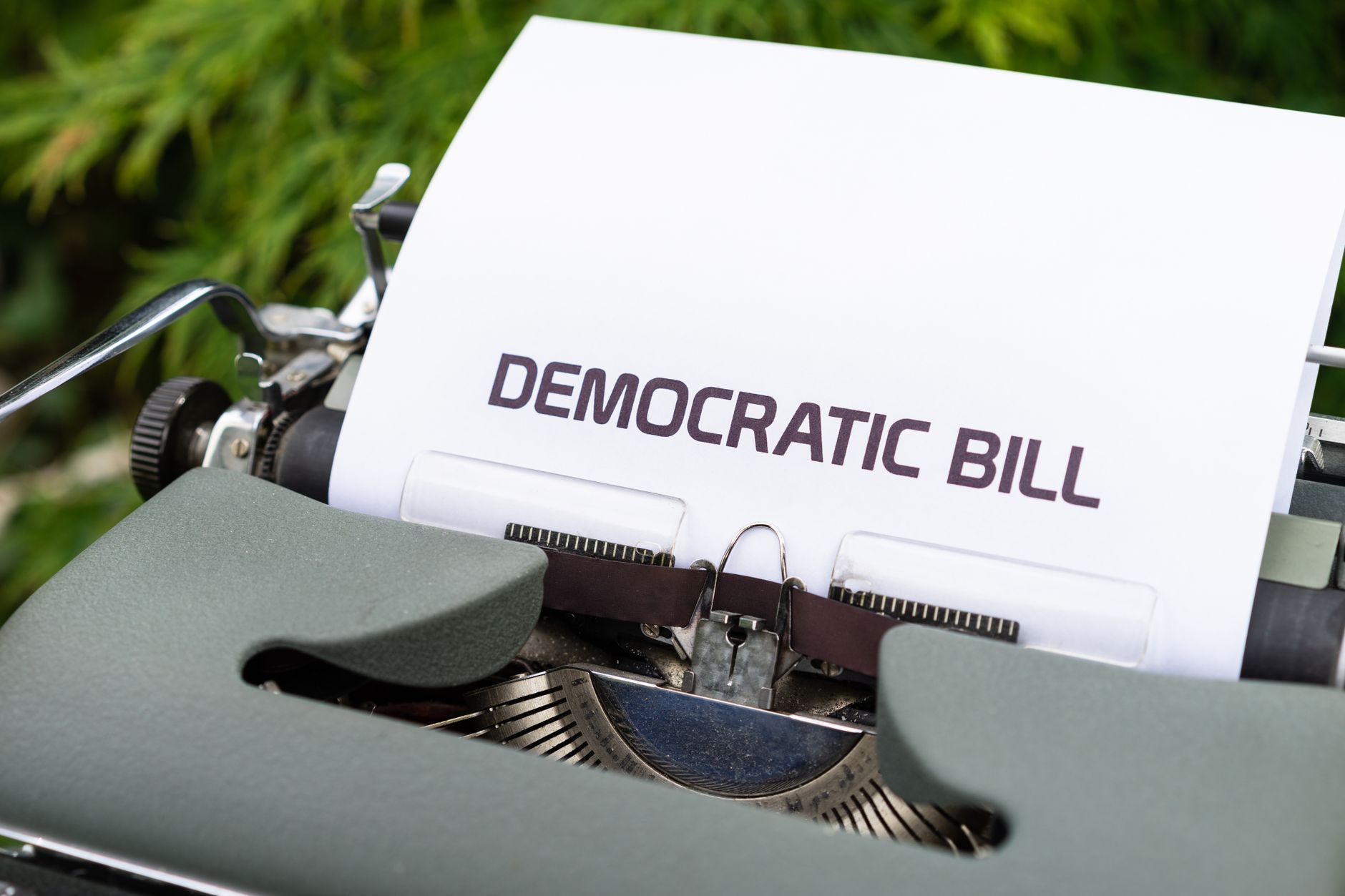
Photo by Markus Winkler on Pexels