
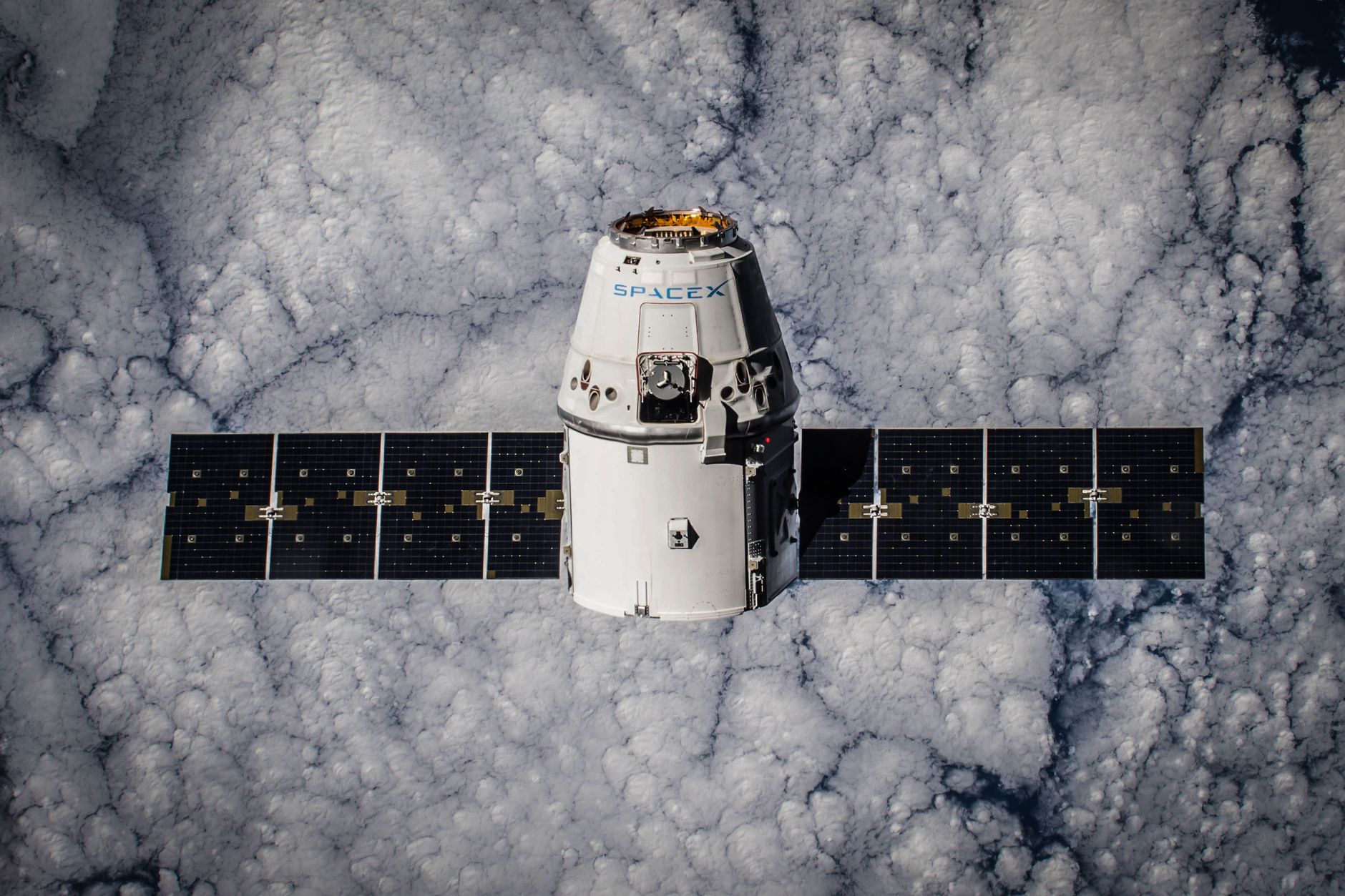
The PolarLink Satellite launch is drawing near, marking a significant milestone for the University of Victoria’s space initiatives. This innovative project aims to enhance our understanding of polar regions.
Overview of PolarLink Satellite
The PolarLink Satellite launch represents a significant advancement in space exploration, particularly in the field of environmental monitoring. Developed by researchers at the University of Victoria, this innovative satellite aims to improve the understanding of climate patterns and their impact on Earth.
The satellite is designed to gather critical data on atmospheric conditions and will serve as a valuable tool for scientists studying weather systems. Its capabilities include:
- Real-time data transmission: Enhancing the ability to monitor changes in the environment.
- High-resolution imaging: Allowing for detailed observations of various ecosystems.
- Collaboration with global research teams: Promoting international efforts in climate science.
As preparations for the PolarLink Satellite launch continue, enthusiasm grows for its potential contributions to our understanding of the planet’s changing climate.
Importance of PolarLink for Research
The launch of the PolarLink Satellite marks a significant milestone in the field of space exploration and research. This innovative satellite is designed to enhance our understanding of polar regions and their dynamics.
Among its key contributions, PolarLink will:
- Collect data on atmospheric conditions, aiding in climate change studies.
- Monitor ice levels and shifts in polar landscapes, providing crucial insights into environmental changes.
- Facilitate international collaboration by sharing findings with a global network of researchers.
Moreover, the data gathered will support various applications, from improving weather prediction models to enhancing navigation systems in remote areas. The importance of the PolarLink Satellite for research cannot be overstated, as it promises to unlock new opportunities for scientific discovery and understanding of our planet’s polar environments.
Timeline for PolarLink Launch
The timeline for the highly anticipated PolarLink Satellite launch has been officially announced, marking a significant milestone in space exploration. Key dates leading up to the launch are as follows:
- Preparation Phase: Completed by the end of September 2023, ensuring all systems are operational.
- Final Testing: Scheduled for early October 2023, including simulations and performance evaluations.
- Launch Window: Expected to open in late November 2023, contingent on favorable weather conditions and technical readiness.
- Post-Launch Operations: The satellite will undergo initial checks and calibration after deployment in orbit.
Each of these steps is crucial for the successful deployment of the PolarLink Satellite, which aims to enhance our understanding of climate change and environmental monitoring.
Technological Innovations in PolarLink
The PolarLink Satellite launch represents a significant advancement in satellite technology and space exploration. This innovative satellite is equipped with cutting-edge features designed to enhance data collection and communication capabilities.
Some of the key technological innovations include:
- Advanced Imaging Systems: PolarLink utilizes high-resolution cameras to capture detailed images of the Earth’s polar regions.
- Enhanced Communication Technology: With improved data transmission protocols, the satellite can relay information more efficiently back to researchers.
- Autonomous Navigation: PolarLink is designed to operate independently, making real-time adjustments to its orbit for optimal data acquisition.
These advancements not only bolster the satellite’s research capabilities but also pave the way for future missions in space exploration, showcasing the potential of modern technology in addressing environmental challenges.
Partnerships Behind the Project
The success of the PolarLink Satellite launch relies heavily on the collaboration between various organizations and institutions. Key partnerships have been formed to ensure that the mission achieves its objectives and paves the way for future advancements in space exploration.
Among the primary collaborators is the University of Victoria (UVic), which has taken a leading role in the design and development of the satellite. Additionally, partnerships with governmental space agencies and private aerospace companies have provided crucial support in terms of funding, technology, and expertise.
These collaborations emphasize the importance of collective efforts in the realm of science and technology. By pooling resources and knowledge, the teams involved in the PolarLink Satellite project are not only contributing to its launch but are also setting a precedent for future space exploration initiatives.
This united front exemplifies the spirit of innovation and cooperation necessary to tackle the challenges of modern space missions.
Potential Impact on Polar Studies
The launch of the PolarLink Satellite is poised to significantly enhance our understanding of polar regions, providing researchers with invaluable data. This satellite is designed to monitor environmental changes, ice dynamics, and wildlife patterns in the Arctic and Antarctic. By delivering real-time information, the PolarLink Satellite will facilitate more accurate climate models and improve predictions regarding the impacts of climate change.
Moreover, the satellite’s advanced sensors will enable scientists to conduct comprehensive studies on glacial retreat and sea-level rise. As a result, the data collected could inform global policy decisions aimed at addressing climate-related challenges.
With its innovative capabilities, the PolarLink Satellite represents a major leap forward in polar studies, ultimately contributing to our understanding of these vital ecosystems and their role in the Earth’s climate system.
Future of Satellite Technology
The future of satellite technology looks promising with the upcoming PolarLink Satellite launch. This innovative satellite aims to enhance our understanding of polar regions and their climatic changes. As satellite technology evolves, we can expect several key advancements:
- Increased Data Collection: Enhanced sensors will allow for more accurate data gathering on ice thickness and atmospheric conditions.
- Real-Time Monitoring: Improved communication systems will enable real-time data transmission, offering scientists immediate access to vital information.
- Lower Costs: New manufacturing techniques may lead to reduced costs, making satellite technology more accessible for research institutions worldwide.
- Collaboration Opportunities: The PolarLink project encourages partnerships among universities, governments, and private sectors, fostering collaborative research efforts.
These innovations signify a significant leap forward in satellite technology and its application in polar studies.
How to Follow the Launch
As the highly anticipated PolarLink Satellite launch approaches, enthusiasts and researchers alike can stay updated through various channels. Here are some effective ways to follow the event:
- Check the official website of the PolarLink project for real-time updates and launch details.
- Follow social media accounts associated with the project, including Twitter and Facebook, for live coverage and behind-the-scenes content.
- Join online forums and discussion groups focused on space exploration to engage with other followers and share insights.
- Watch live streams on platforms like YouTube, where experts will provide commentary and analysis during the launch.
Staying connected will ensure that you don’t miss this significant event in space exploration, as the PolarLink Satellite promises to enhance our understanding of polar regions.
The PolarLink Satellite launch marks a significant milestone in our quest to enhance global communication networks. As researchers and engineers celebrate this achievement, the implications of the PolarLink Satellite launch for future space missions are becoming increasingly clear.
Photo by SpaceX on Pexels