
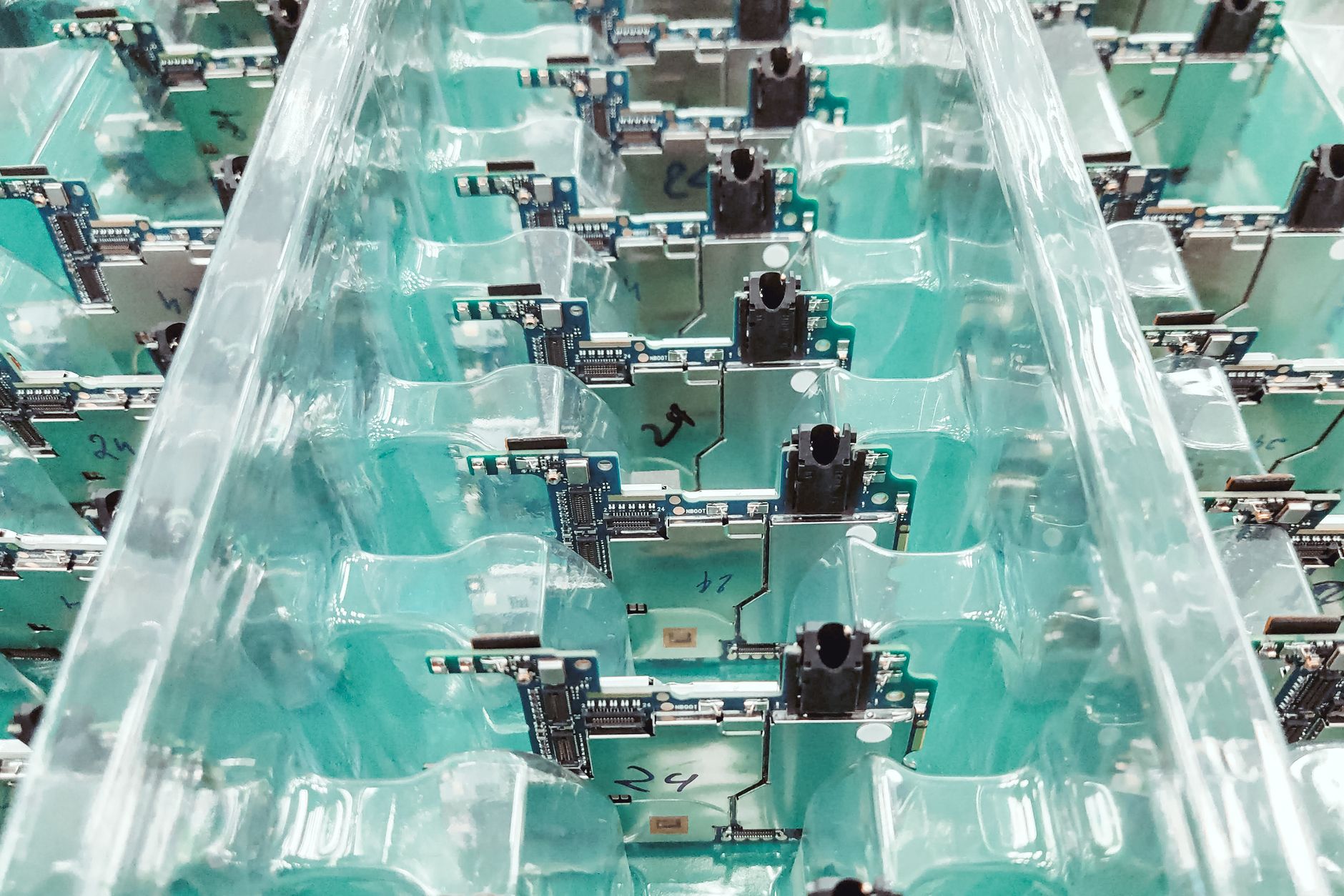
India semiconductor production is experiencing a remarkable transformation, fueled by supportive government policies and increased investment in technology. This leap positions India as a competitive player in the global semiconductor market.
The Rise of India’s Semiconductor Industry
The rise of India’s semiconductor industry marks a significant turning point in the nation’s economic landscape. As global demand for semiconductors continues to soar, India is positioning itself as a key player in the global supply chain. The government has rolled out policies aimed at fostering a robust ecosystem for semiconductor production, which includes incentives for research and development.
Several factors contribute to the burgeoning growth of India’s semiconductor production:
- Government Initiatives: The Indian government has introduced various schemes to attract foreign investments and technology transfers, making it easier for companies to set up manufacturing units.
- Skilled Workforce: With a large pool of engineers and technical professionals, India is well-equipped to meet the demands of the semiconductor industry.
- Strategic Partnerships: Collaborations with global tech firms have accelerated the development of cutting-edge technologies, ensuring that India remains competitive.
- Infrastructure Development: Investments in infrastructure are being prioritized to support manufacturing capabilities and logistics.
As India continues to enhance its semiconductor production capabilities, it is poised to become a major hub for chips, potentially reducing reliance on imports and boosting the economy. The commitment to developing this sector reflects India’s ambition to secure a more prominent role in the global technology arena.
Key Policies Supporting Semiconductor Growth
The Indian government has implemented a range of key policies designed to stimulate the nation’s semiconductor production, aimed at positioning India as a global leader in this critical sector. These initiatives not only encourage investment but also foster innovation and improve infrastructure.
- Production-Linked Incentive (PLI) Scheme: This program offers financial incentives to companies that increase their semiconductor manufacturing capabilities in India, ensuring a competitive edge in the global market.
- National Semiconductor Mission: Launched to promote research and development, this mission aims to create a comprehensive ecosystem for semiconductor manufacturing, encompassing everything from raw materials to advanced technologies.
- Investment in R&D: The government is prioritizing funding for research and development initiatives, collaborating with educational institutions and tech companies to bolster expertise in semiconductor design and manufacturing.
- Partnerships with Global Leaders: India is fostering collaborations with international semiconductor firms, aiming to attract technology transfer and best practices to enhance local production capabilities.
These policies reflect India’s commitment to becoming a significant player in the global semiconductor landscape. By focusing on semiconductor production, India aims to reduce dependency on imports and drive economic growth, setting a strong foundation for a self-reliant future.
Investment Trends in Indian Technology
In recent years, investment trends in Indian technology have showcased a remarkable shift towards the semiconductor sector. As the world increasingly relies on advanced electronics, India semiconductor production has become a focal point for both domestic and foreign investors.
Several key factors are driving this investment surge:
- Government Initiatives: The Indian government has launched various schemes to promote semiconductor manufacturing, including the Production Linked Incentive (PLI) scheme, which offers financial incentives for companies investing in local production.
- Strategic Partnerships: Collaborations between Indian firms and global technology leaders have opened avenues for knowledge transfer and innovation, enhancing the country’s capabilities in semiconductor design and manufacturing.
- Growing Domestic Demand: With the rapid digitization of the economy and increased consumption of electronic devices, the domestic market for semiconductors is expanding, attracting more investments.
- Infrastructure Development: Significant investments in infrastructure, such as semiconductor fabrication labs and research facilities, are being made to ensure that India can meet the growing demands of the industry.
As these investment trends continue to evolve, they not only bolster India’s position in the global semiconductor landscape but also pave the way for sustainable economic growth and technological advancement.
Challenges Facing Semiconductor Production
The journey towards establishing a robust semiconductor production ecosystem in India is not without its challenges. Despite significant investments and supportive policies, several hurdles remain that could impede growth and innovation in this critical sector.
One major challenge is the lack of a well-developed supply chain. India’s semiconductor production heavily relies on global suppliers for essential materials and components. This dependence can lead to vulnerabilities, especially in times of geopolitical tension or global supply disruptions.
Additionally, the domestic workforce is currently not fully equipped with the specialized skills required for advanced semiconductor manufacturing. The industry requires highly trained engineers and technicians who are proficient in cutting-edge technologies. Addressing this skills gap is crucial for India to compete effectively on the global stage.
Another concern is the environmental impact associated with semiconductor fabrication. As production ramps up, ensuring sustainable practices will be essential to meet both regulatory standards and public expectations.
Finally, attracting and retaining foreign direct investment remains a challenge. While the Indian government has taken steps to create a favorable investment climate, potential investors may still be wary of the existing infrastructure and regulatory landscape.
Overcoming these challenges will be vital for India to realize its ambitions in semiconductor production and emerge as a global player in the technology landscape.
Global Competition in Semiconductor Manufacturing
The global competition in semiconductor manufacturing has intensified as countries strive to secure their positions in this critical industry. India, with its burgeoning semiconductor production capabilities, is emerging as a significant player on the world stage.
Several countries, notably the United States, China, and Taiwan, have historically dominated the semiconductor landscape. However, India’s efforts to bolster its semiconductor production are gaining momentum, driven by both government initiatives and private sector investments.
Key factors contributing to this competitive landscape include:
- Technological Advancements: Nations are investing in research and development to innovate and enhance their manufacturing processes.
- Supply Chain Resilience: The pandemic highlighted vulnerabilities in global supply chains, prompting countries to localize production.
- Geopolitical Factors: Nations are seeking to reduce reliance on foreign semiconductor sources, emphasizing the need for domestic capabilities.
India’s semiconductor production strategy aims to capitalize on these trends by creating a robust ecosystem that includes manufacturing, design, and assembly. With initiatives like the Production-Linked Incentive (PLI) scheme and collaborations with global tech giants, India is well-positioned to compete effectively.
As the race for semiconductor supremacy continues, India’s proactive approach could redefine its role in the global technology supply chain, making it a preferred destination for semiconductor production.
Future Prospects for India’s Tech Sector
As India continues to strengthen its position in the global technology landscape, the future prospects for India’s tech sector appear promising, particularly in semiconductor production. With government initiatives aimed at fostering innovation and increasing local manufacturing capabilities, the country is set to emerge as a key player in the semiconductor supply chain.
Several factors contribute to the optimistic outlook for India’s semiconductor industry:
- Investment Initiatives: Increased foreign direct investment (FDI) and collaborations with international technology firms are paving the way for advanced manufacturing facilities.
- Skilled Workforce: India boasts a large pool of engineering talent, which can be harnessed to support research and development in semiconductor technology.
- Government Support: Policies such as the Production Linked Incentive (PLI) scheme aim to attract investment and boost production capabilities in the semiconductor sector.
- Growing Domestic Demand: With the rise in consumption of electronic devices, the demand for semiconductors is expected to soar, providing a robust market for local production.
In conclusion, the future of India’s semiconductor production holds significant promise. By leveraging its strengths and addressing existing challenges, India can solidify its role as a vital hub in the global semiconductor ecosystem, driving innovation and economic growth.
How AI is Influencing Semiconductor Development
Artificial Intelligence (AI) is playing a pivotal role in transforming India’s semiconductor production landscape. As the country aims to become a significant player in the global semiconductor market, leveraging AI technologies is proving essential for enhancing manufacturing processes and boosting efficiency.
AI-driven tools are facilitating various stages of semiconductor development, including:
- Design Optimization: Advanced algorithms can analyze and improve chip designs, reducing time and costs significantly.
- Quality Control: AI systems are capable of identifying defects in real-time, ensuring high standards and minimizing waste during production.
- Supply Chain Management: Machine learning models predict demand and optimize inventory, which is crucial for maintaining a competitive edge in the fast-paced semiconductor market.
Moreover, the integration of AI in research and development processes is accelerating innovation, allowing Indian companies to create cutting-edge products that meet global standards. This synergy between AI and semiconductor production is not only enhancing operational capabilities but also positioning India as a leader in next-generation technology.
As India continues to invest in both semiconductor production and AI research, the fusion of these two domains may lead to breakthroughs that redefine the industry. The future of India’s semiconductor production looks promising, with AI serving as a catalyst for growth and development.
Success Stories in Indian Semiconductor Ventures
India’s semiconductor production landscape has witnessed remarkable success stories that highlight the potential of this burgeoning industry. Several homegrown ventures have emerged as key players, driving innovation and growth.
- Vedanta-Foxconn Joint Venture: This collaboration aims to establish semiconductor manufacturing facilities in India, marking a significant step towards self-reliance in chip production. The project promises to create thousands of jobs and enhance local skill development.
- ISRO’s Contribution: The Indian Space Research Organisation (ISRO) has been a pioneer in leveraging semiconductor technology for satellite and space applications. Their advancements have paved the way for increased investment in semiconductor research and development.
- Wipro’s Semiconductor Solutions: Wipro has developed a range of semiconductor solutions that cater to various industries, showcasing India’s capabilities in design and manufacturing. Their initiatives have attracted global clients, enhancing India’s reputation in the tech sector.
- Micron Technology’s Investment: Micron’s decision to invest in a semiconductor manufacturing facility in India underscores the country’s growing importance in the global semiconductor supply chain. This venture is expected to bolster local production capabilities significantly.
These success stories emphasize the promising trajectory of India’s semiconductor production, illustrating the nation’s commitment to becoming a global leader in the technology sector.
India semiconductor production has the potential to revolutionize the country’s technology landscape, attracting global investments and partnerships. By focusing on innovation and infrastructure, India semiconductor production can position itself as a key player in the global supply chain.
Photo by Andrey Matveev on Pexels
Sources
You might also like
Jio Free Canva Pro: Proven Benefits for Users · AI image generator: Best Proven Tool for Creative Control · India Foreign Policy: Right Choices for a Smart Future