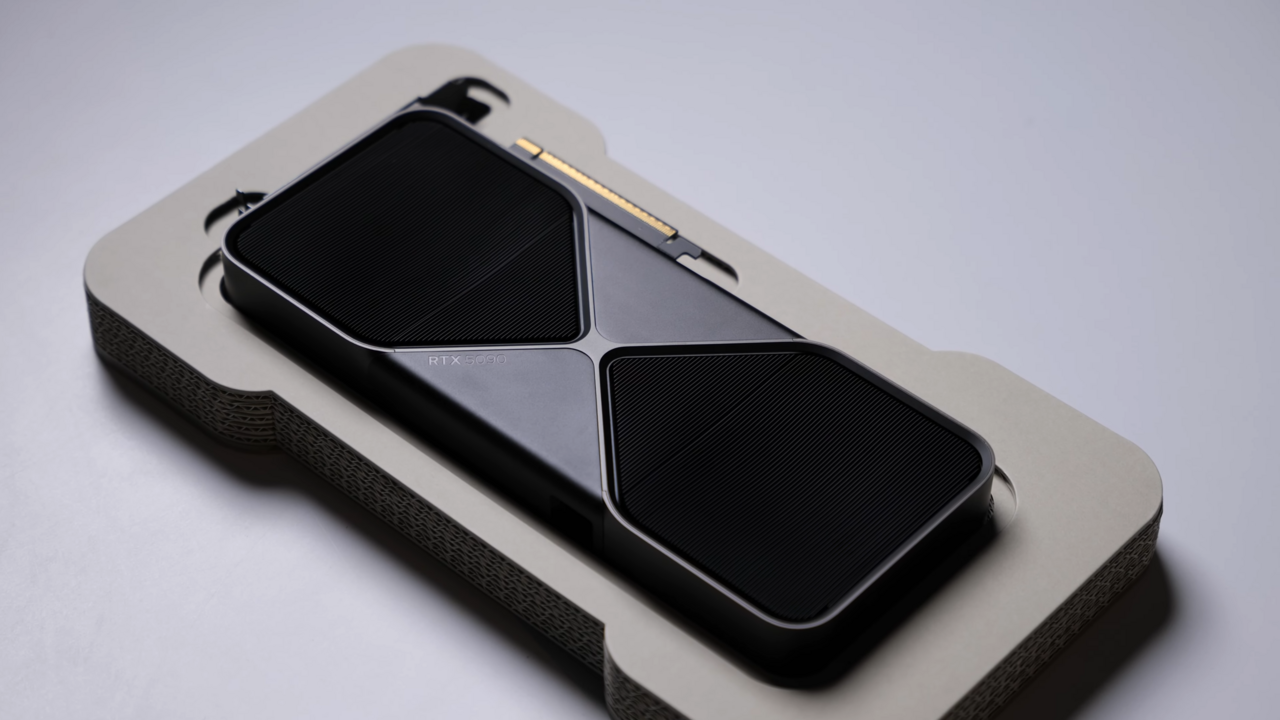
GPU prices rise has become a hot topic as they increased by 35% in just three months. This surge raises concerns for consumers and tech enthusiasts alike.
Understanding the GPU Market Trends
The recent surge in GPU prices has left many buyers questioning the dynamics of the market. Over the past three months, global prices have risen by a staggering 35%, impacting both gamers and professionals alike. Understanding the underlying trends is crucial for potential buyers.
Several factors have contributed to this price hike, including:
- Increased demand: With the rise of AI and machine learning applications, the demand for high-performance GPUs has skyrocketed.
- Supply chain issues: Ongoing disruptions from manufacturing to shipping have resulted in limited availability of GPUs, driving prices up further.
- Cryptocurrency mining: Although the boom in crypto mining has slowed, it still exerts pressure on GPU supply, as miners often purchase large quantities of units.
As GPU prices rise, buyers must also consider their long-term needs. The decision to invest in a GPU should weigh factors such as future-proofing, performance requirements, and budget constraints. For many, waiting for prices to stabilize may be the best course of action, while others may find themselves compelled to purchase despite the higher costs.
This evolving landscape presents both challenges and opportunities as consumers navigate a fluctuating market.
Factors Behind the Price Surge
The recent surge in GPU prices has left many consumers and industry experts questioning the underlying factors driving this sudden increase. Several key elements contribute to this price rise, affecting both availability and affordability for buyers.
- Increased Demand: With the rise of gaming, cryptocurrency mining, and AI applications, the demand for GPUs has skyrocketed. More people are looking to upgrade their systems, leading to intense competition for available units.
- Supply Chain Disruptions: Ongoing global supply chain issues have been exacerbated by the pandemic. Manufacturing delays and logistical challenges have made it difficult for companies to meet the growing demand, resulting in fewer GPUs on the market.
- Raw Material Costs: The costs of essential materials used in GPU production, such as semiconductors, have risen significantly. This increase in production costs is often passed on to consumers, further driving up prices.
- Market Speculation: Speculators and resellers are taking advantage of the situation, purchasing GPUs in bulk and selling them at inflated prices. This trend not only disrupts the market but also discourages average consumers from making purchases.
As GPU prices rise, buyers must navigate these challenges, weighing the need for upgrades against the financial implications of a volatile market.
Impact on Laptop Sales
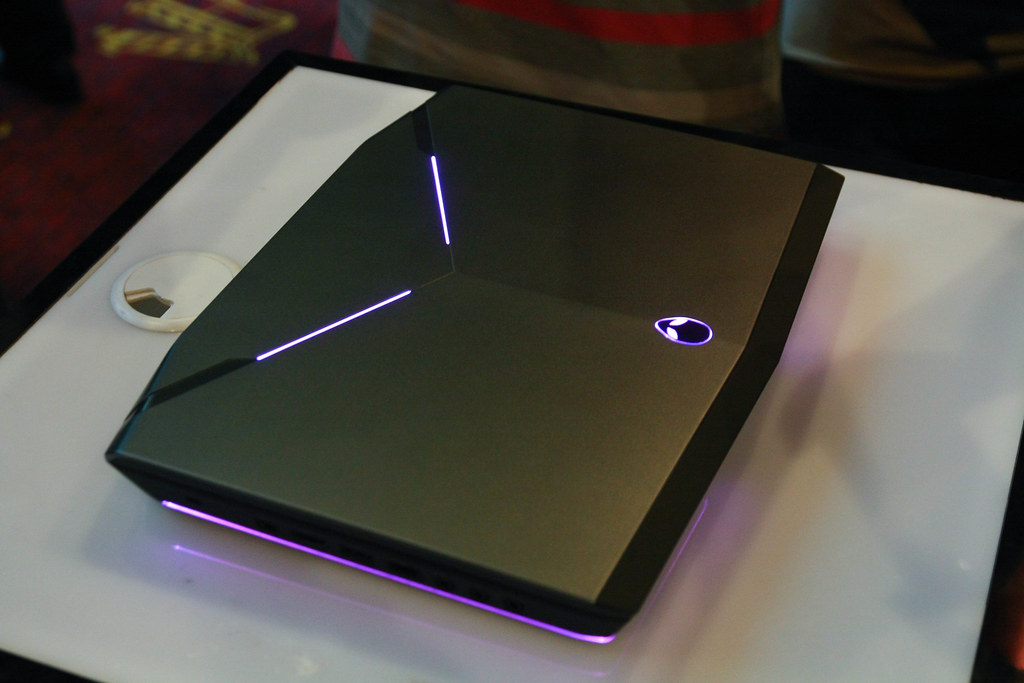
The recent surge in GPU prices has significant implications for laptop sales, as many consumers rely on these components for high-performance computing tasks. With GPU prices rising, manufacturers may face challenges in maintaining affordable pricing for laptops that utilize powerful graphics cards.
As a result, potential buyers might reconsider their purchasing decisions. Some key impacts on laptop sales include:
- Increased Costs: The rise in GPU prices could lead to higher retail prices for laptops, making them less accessible to budget-conscious consumers.
- Shift in Consumer Preferences: As prices increase, buyers may opt for models with integrated graphics or older models that use less expensive GPUs, potentially decreasing demand for high-end gaming laptops.
- Delayed Purchases: Anticipating further price increases, some consumers might delay their purchases, hoping for a future decrease in prices or a better selection of available models.
- Impact on Gaming and Creative Markets: Gamers and professionals who require high-performance laptops for graphics-intensive tasks may be hit hardest by rising prices, leading them to explore alternatives or even build their own systems.
Overall, the rise in GPU prices is likely to reshape the laptop market, pushing consumers toward more budget-friendly options and altering the landscape of high-performance computing.
Consumer Reactions to Price Increases
As GPU prices rise significantly, consumers are expressing a mix of frustration and concern over the ongoing situation. Many gamers and professionals rely heavily on graphics processing units for their daily activities, and the recent spike in prices has led to noticeable reactions.
Among the most common sentiments is disappointment, particularly from those who had been saving for upgrades. A survey conducted among gaming enthusiasts revealed that:
- 65% of respondents stated they were postponing purchases due to the price increases.
- 40% expressed frustration over inflated prices during a time when demand remains high.
- 30% claimed they would consider alternative solutions, such as refurbished GPUs or waiting for future price drops.
The rise in GPU prices has also led to discussions about the potential long-term effects on the gaming community. Some consumers are beginning to explore cloud gaming as a viable alternative, while others are turning to older models or competing brands that may not be experiencing the same price hikes.
In light of this situation, many buyers are left wondering how sustainable the current prices are and whether they will ever return to pre-increase levels. As the market continues to evolve, consumer reactions are likely to shape future buying trends.
Future Predictions for GPU Prices
As the GPU market faces unprecedented price increases, analysts are making predictions about future trends. Recent reports indicate that GPU prices rise by 35% within a mere three months, raising concerns among consumers and industry experts alike.
Several factors are anticipated to influence the trajectory of GPU prices moving forward:
- Supply Chain Stabilization: If manufacturers can resolve ongoing supply chain issues, it may lead to a decrease in prices. However, this is contingent upon global market conditions.
- Technological Advancements: The introduction of new GPU models could potentially shift consumer demand, impacting pricing strategies. As newer technology emerges, older models may see a decrease in price.
- Market Competition: Increased competition among GPU manufacturers may also play a role. If companies strive to capture market share, they might lower prices to attract buyers.
- Consumer Sentiment: As prices continue to rise, consumer sentiment could shift, affecting purchasing decisions. If buyers feel that GPUs are no longer affordable, demand may decrease, leading to potential price corrections.
Ultimately, the future of GPU prices remains uncertain. Buyers will need to stay informed and adaptable in response to the evolving market landscape.
How to Navigate the Rising Costs
As GPU prices rise, consumers may feel overwhelmed by the increasing costs and uncertain market dynamics. However, there are several strategies buyers can employ to navigate this challenging landscape.
Firstly, it’s crucial to research thoroughly before making a purchase. Keeping an eye on different retailers, both online and in-store, can reveal significant price differences. Many websites offer price tracking tools that notify users when GPUs drop to their desired price range.
Secondly, consider waiting for sales events. Major holidays or tech-specific sales, such as Black Friday or Cyber Monday, often result in discounts that can counteract the rising prices. Furthermore, many manufacturers release new models regularly, which can lead to price reductions on older versions.
Another option for buyers is to explore used or refurbished GPUs. These can often provide significant savings, though it is essential to verify the condition and warranty status before purchasing.
Finally, engaging with online communities can provide valuable insights. Forums and social media groups dedicated to PC building and gaming often share tips on where to find the best deals and how to avoid scams.
By employing these strategies, consumers can mitigate the impact of rising GPU prices and make informed purchasing decisions.
As GPU prices rise, many gamers are feeling the pinch in their budgets and reconsidering their upgrade plans. Additionally, the impact of GPU prices rise extends beyond individual consumers, affecting the overall gaming and tech market.
Read the original
Related stories
Huawei Watch 5 Features: Smart AI Noise Reduction & Alerts · NVS-03 launch date: Is it the best boost for NavIC? · 54-Qubit Processor: Proven Full-Chip Performance for Cloud Users