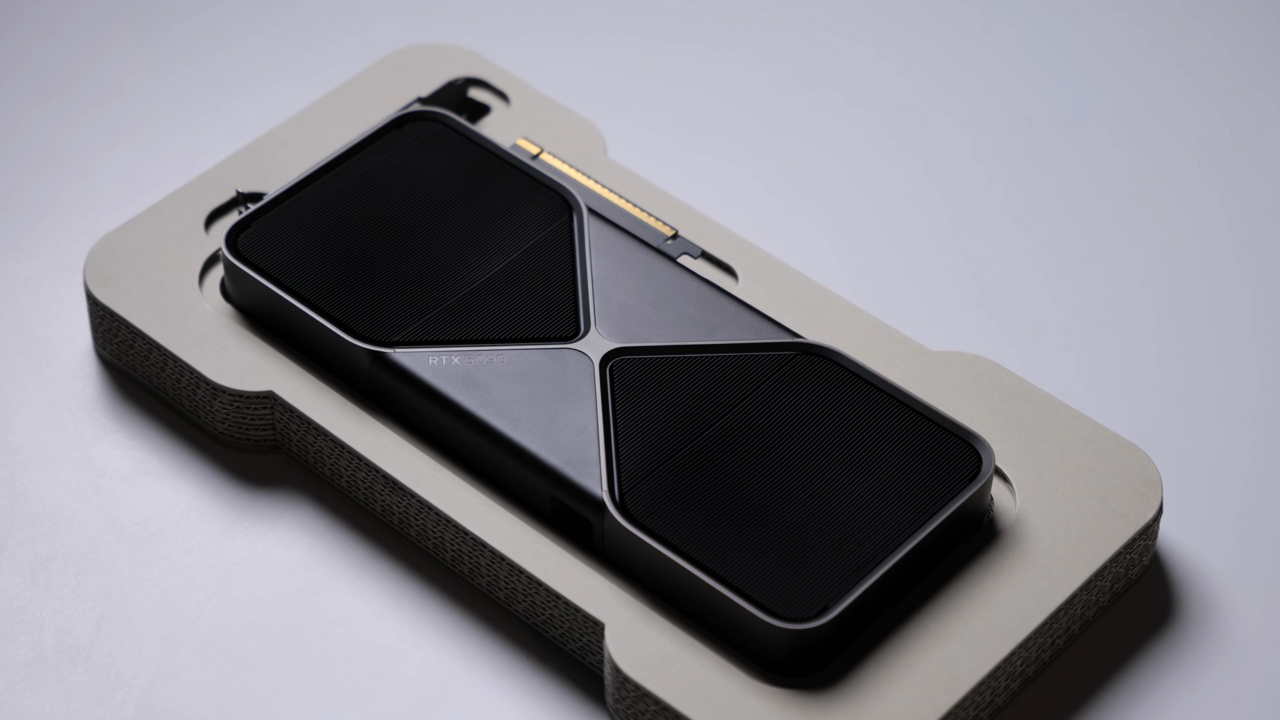
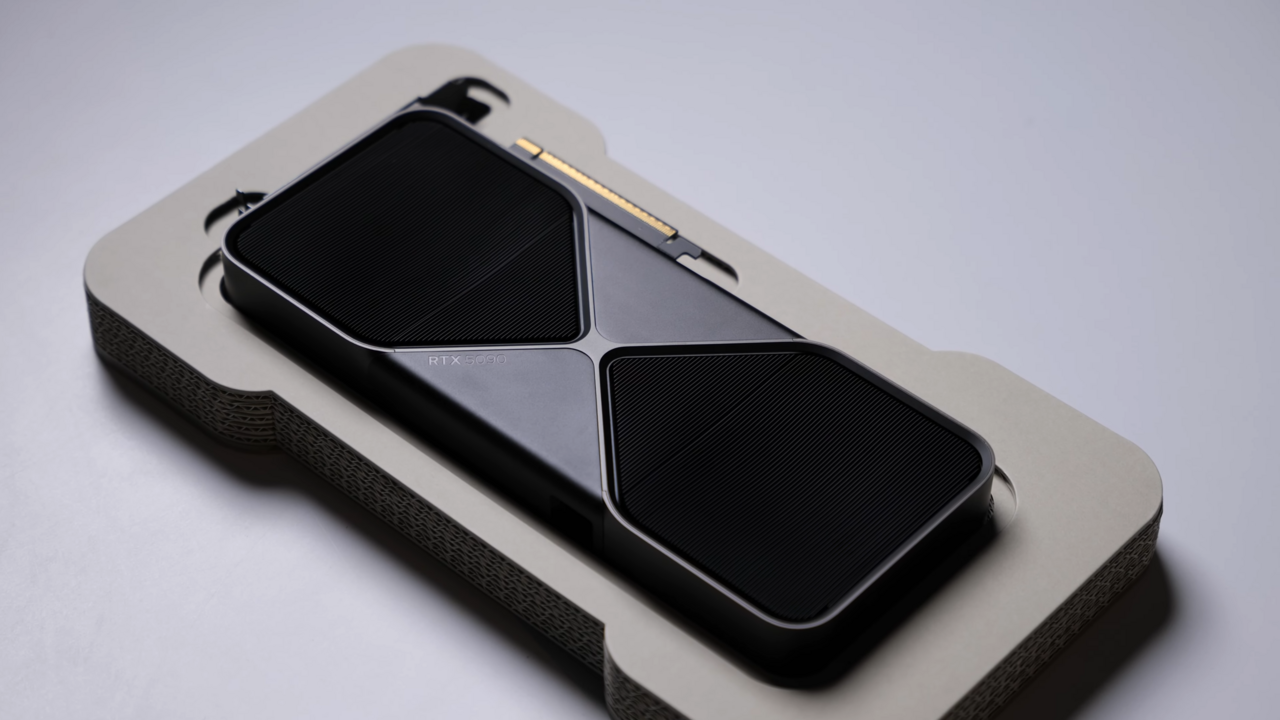
NVIDIA GeForce RTX 5080 may miss its January 2027 launch due to delays in design kits for board partners, raising concerns in the tech community.
Overview of the NVIDIA GeForce RTX 5080
The NVIDIA GeForce RTX 5080 has been generating significant buzz among gaming enthusiasts and tech aficionados alike. Originally slated for a January 2027 launch, recent reports suggest that the release may face substantial delays due to unforeseen circumstances.
According to sources close to the matter, board partners have yet to receive the necessary design kits, which are essential for the production of graphics cards. This holdup could mean that the anticipated NVIDIA GeForce RTX 5080 with 24 GB of memory may not make its scheduled debut.
Several factors are contributing to the situation:
- Supply Chain Issues: Ongoing disruptions in the semiconductor market have hindered manufacturing processes.
- Design Complexity: The advanced architecture of the RTX 5080 requires meticulous planning and development.
- Market Conditions: Fluctuations in demand for high-end graphics cards may also influence NVIDIA’s strategy moving forward.
While fans eagerly await the GeForce RTX 5080, the uncertainty surrounding its launch has led to speculation about potential performance and pricing. As the graphics card landscape continues to evolve, NVIDIA’s ability to navigate these challenges will be crucial for maintaining its competitive edge.
What Caused the Delay?
The anticipated launch of the NVIDIA GeForce RTX 5080 in January 2027 has faced significant delays, raising concerns among enthusiasts and industry experts alike. Several factors have contributed to this setback, primarily linked to the ongoing challenges in the semiconductor supply chain.
One of the main reasons for the delay is the prolonged wait for design kits from NVIDIA. Board partners, who are essential in bringing the graphics card to market, have expressed frustration regarding the timeline for receiving these crucial components. The absence of design kits has hindered their ability to finalize production schedules.
Additionally, the global semiconductor shortage remains a pressing issue. Manufacturers are struggling to secure the necessary materials and components to meet production demands. This shortage has not only affected NVIDIA but also other tech companies, leading to cascading delays across the industry.
Furthermore, NVIDIA’s decision to enhance the architecture of the NVIDIA GeForce RTX 5080 for improved performance has added to the timeline. These enhancements, while beneficial for consumers, require additional testing and refinement, further pushing back the release date.
As the launch window approaches, industry insiders are closely monitoring developments, hoping for clarity on the release of the NVIDIA GeForce RTX 5080. Until then, uncertainty looms over the eagerly awaited graphics card.
Impact on Gamers and Enthusiasts
The anticipated launch of the NVIDIA GeForce RTX 5080 has left gamers and enthusiasts in a state of uncertainty. With reports indicating a potential delay to January 2027, the ramifications of this postponement are significant.
For many, the RTX 5080 represents the next generation of gaming performance, promising cutting-edge capabilities and enhanced graphics. However, the delay in design kits for board partners is causing frustration among those eagerly awaiting the new graphics card. As a result, gamers are left contemplating their options in the interim.
Several factors contribute to the concern surrounding this delay:
- Increased Competition: Other manufacturers are stepping up their offerings, making it crucial for NVIDIA to stay ahead in the race.
- Current Hardware Limitations: Many gamers are struggling with older graphics cards that are not capable of supporting the latest gaming titles at optimal settings.
- Market Demand: The gaming community’s thirst for high-performance hardware continues to grow, and delays can lead to dissatisfaction among loyal NVIDIA fans.
As the January 2027 launch date approaches, the impact of the delay will become increasingly evident, leaving enthusiasts to hope for positive developments in the coming months.
Expected Features of the RTX 5080
The NVIDIA GeForce RTX 5080 is highly anticipated among gamers and professionals alike, and its expected features are causing quite a buzz in the tech community. As we await its potential launch in January 2027, several key enhancements are being speculated upon.
- Increased VRAM: One of the most talked-about features is the rumored 24 GB of GDDR7 memory, which would significantly improve performance in high-resolution gaming and demanding applications.
- Advanced Ray Tracing: The RTX 5080 is expected to take ray tracing to the next level, providing more realistic lighting, shadows, and reflections in real-time. This would build upon the capabilities introduced in previous models.
- DLSS 4.0: With advancements in AI technology, the latest iteration of Deep Learning Super Sampling (DLSS) is anticipated to enhance frame rates while preserving visual fidelity, making games smoother and more enjoyable.
- Enhanced Cooling Solutions: To manage increased power consumption and heat generation, innovative cooling systems are expected to be implemented, ensuring the graphics card runs efficiently under heavy loads.
- Improved Power Efficiency: The RTX 5080 may offer better performance per watt, showcasing NVIDIA’s commitment to sustainable technology in gaming.
While these features remain speculative, the excitement surrounding the NVIDIA GeForce RTX 5080 continues to grow as enthusiasts eagerly await any official announcements.
Comparison with Previous Models
The NVIDIA GeForce RTX 5080 is set to be a significant advancement in the graphics card lineup, yet its delayed launch raises concerns among fans and gamers alike. To understand its potential impact, it is essential to compare the RTX 5080 with previous models, especially the RTX 4080 and RTX 3080.
When examining the specifications, the RTX 5080 is expected to offer enhanced performance and efficiency. Some key comparisons include:
- CUDA Cores: The RTX 5080 is rumored to feature a higher number of CUDA cores compared to the RTX 4080, which could lead to better multitasking and gaming performance.
- Ray Tracing: With advancements in ray tracing technology, the RTX 5080 will likely provide more realistic lighting and reflections than the RTX 3080, elevating the gaming experience.
- VRAM: The RTX 5080 is anticipated to come with 24 GB of VRAM, a substantial increase from the 16 GB found in the RTX 4080, catering to high-resolution gaming and demanding applications.
- DLSS Technology: Building on NVIDIA’s Deep Learning Super Sampling, the RTX 5080 may implement the latest iteration of DLSS for improved frame rates without sacrificing visual fidelity.
Despite the delay, the excitement for the NVIDIA GeForce RTX 5080 continues to grow as enthusiasts eagerly await what the next generation of graphics technology has to offer.
Industry Reactions to the Delay
The announcement of the delay regarding the NVIDIA GeForce RTX 5080 has stirred significant reactions across the gaming and tech industries. Industry insiders and enthusiasts alike have expressed their disappointment, citing the high expectations surrounding the upcoming graphics card.
Many gamers have taken to social media to voice their frustrations, sharing concerns that the delay may affect their upgrading plans. A prominent gaming influencer remarked, “The NVIDIA GeForce RTX 5080 was highly anticipated for its features. This delay is a letdown for many of us who were eager to experience the latest technology.”
Manufacturers and retailers have also reacted, with some expressing worry over the impact this delay may have on sales. A spokesperson for a major electronics retailer stated, “We were counting on the RTX 5080 to drive sales in the early part of 2027. This setback could lead to a slower start to the year.”
On the development side, board partners are reportedly waiting for design kits that are crucial for production. This has led to a ripple effect, causing uncertainty about the timeline for other related products. Analysts believe that the ripple effects of this delay may extend beyond just the NVIDIA GeForce RTX 5080, potentially affecting the entire graphics card market.
Future of NVIDIA Graphics Cards
The future of NVIDIA graphics cards appears uncertain, particularly with the recent news surrounding the NVIDIA GeForce RTX 5080. While the company has consistently pushed the boundaries of gaming performance, the delay in the launch of this anticipated model has left many in the industry questioning its long-term strategy.
As NVIDIA continues to innovate, the focus on the RTX 5080 suggests a commitment to delivering high-performance solutions for gamers and professionals alike. However, the postponed launch has raised concerns about how competitors might respond. Companies like AMD and Intel are rapidly advancing their technologies, and any prolonged delay could provide them with an opportunity to gain market share.
Moreover, the anticipation surrounding the RTX 5080 is not just about raw power. Enthusiasts are eager for advancements in ray tracing, AI-driven features, and improved power efficiency. As the gaming landscape evolves, so too must the hardware that supports it. The delay could result in NVIDIA missing critical benchmarks and milestones that define the next generation of gaming experiences.
In the meantime, NVIDIA’s board partners are anxiously awaiting design kits to begin production. Without these essential tools, the RTX 5080’s future remains in limbo, leaving gamers to speculate about when they might finally experience the next leap in graphics technology.
via Wikimedia Commons