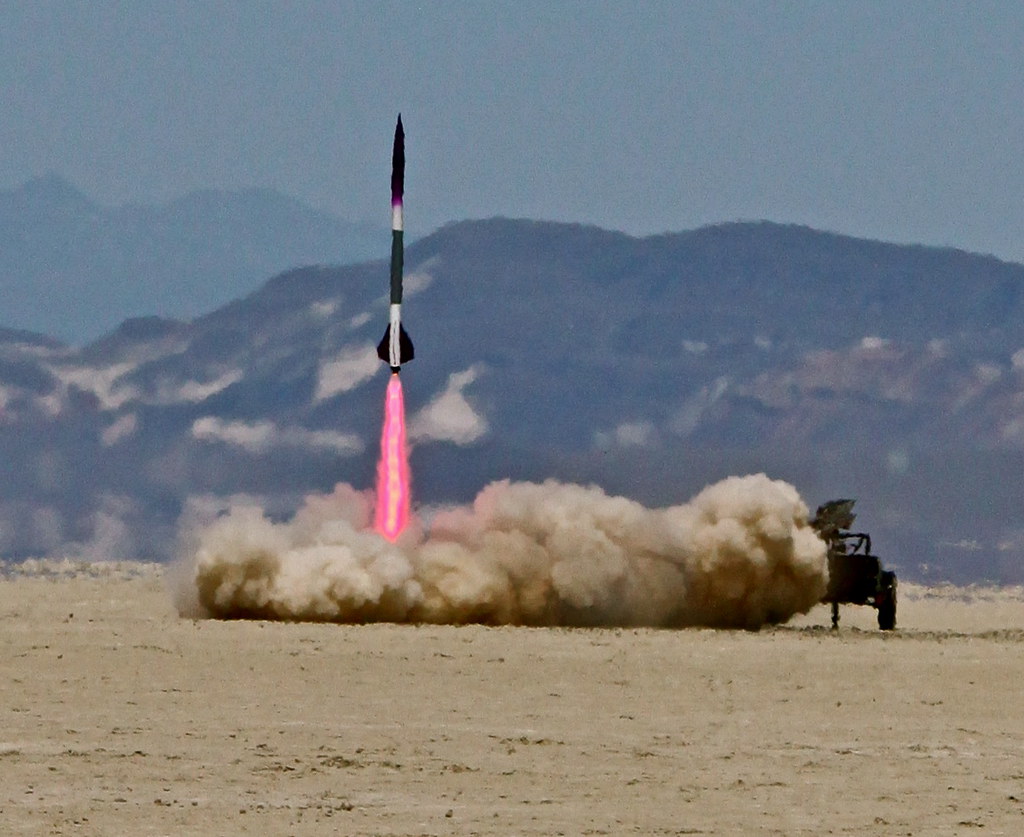
Shenzhou 24 space mission has achieved a significant milestone by successfully docking with the space station. This accomplishment highlights China’s growing capabilities in space exploration.
Overview of Shenzhou 24
The Shenzhou 24 space mission has recently marked a significant milestone in China’s exploration of outer space. This mission, which began with the launch on October 15, 2023, successfully achieved its primary goal of docking with the Tiangong space station, showcasing China’s growing capabilities in space technology.
As part of a broader strategy to develop a sustainable presence in low Earth orbit, Shenzhou 24 is not just about reaching the Tiangong station; it also emphasizes the importance of international collaboration and scientific research. The mission has brought together a diverse team of astronauts, each with unique expertise, to conduct experiments that could benefit humanity.
During the mission, the crew has focused on several key objectives:
- Scientific Research: Conducting experiments in biological and materials sciences.
- Technology Demonstration: Testing advancements in docking technology and life support systems.
- International Collaboration: Engaging with global partners to share findings and enhance future missions.
The successful docking of Shenzhou 24 with the space station not only highlights China’s technical prowess but also sets the stage for further exploration and potential missions to the Moon and Mars. As the mission progresses, it continues to capture the attention of space enthusiasts and scientists worldwide.
Significance of the Docking
The successful docking of the Shenzhou 24 spacecraft with China’s space station marks a significant milestone in the nation’s space exploration efforts. This achievement not only highlights the technological advancements made by China’s space program but also reinforces its growing capabilities in manned space missions.
One of the key significances of this docking is its demonstration of precision and reliability in autonomous docking technology. The Shenzhou 24 mission utilized advanced guidance systems that allowed for a seamless connection with the space station, showcasing China’s commitment to ensuring the safety and efficiency of future missions.
Furthermore, the docking is a crucial step towards the development of a fully operational space station. It allows astronauts to conduct essential research and experiments in microgravity, which are vital for long-term human habitation in space. The data collected during these missions will contribute to our understanding of space and its effects on the human body.
Additionally, the collaboration and coordination between ground control and the Shenzhou 24 crew exemplify the teamwork necessary for successful space endeavors. This mission enhances international perceptions of China as a formidable player in the global space arena, paving the way for potential future collaborations.
In conclusion, the significance of the docking achieved by the Shenzhou 24 mission extends beyond mere technical success, reinforcing China’s aspirations in space exploration and research.
Technical Details of the Mission
The Shenzhou 24 space mission has showcased a variety of advanced technological features that contribute to its success. The mission, launched aboard a Long March 2F rocket, employs a state-of-the-art guidance and navigation system that enhances precision during orbital maneuvers.
One of the most notable technical advancements is the autonomous docking technology. This system allows the spacecraft to approach and connect with the Tiangong space station without requiring manual intervention from ground control. The efficiency and reliability of this technology were crucial during the mission, ensuring a seamless docking process.
In addition, the Shenzhou 24 is equipped with improved life support systems, designed to sustain astronauts for extended periods. These systems include advanced air purification and temperature regulation, which are vital for maintaining a comfortable environment during the mission.
Furthermore, the spacecraft features a robust communication network that allows for real-time data transmission between the crew and mission control. This capability ensures that any potential issues can be addressed promptly, enhancing the mission’s safety and effectiveness.
The successful execution of these technical aspects not only highlights the capabilities of the Shenzhou 24 space mission but also sets a solid foundation for future explorations in space.
Future Plans for Space Exploration
The successful completion of the Shenzhou 24 space mission has paved the way for ambitious future plans in space exploration. With advancements in technology and a growing interest in human spaceflight, China is set to strengthen its presence in low Earth orbit and beyond.
One of the key objectives following the Shenzhou 24 mission is the expansion of the Chinese space station, Tianhe. As the station becomes fully operational, future missions will focus on:
- Scientific Research: Conducting experiments in microgravity that could lead to breakthroughs in various fields, including medicine, materials science, and environmental studies.
- International Collaboration: Engaging with other countries and space agencies to foster joint missions and share knowledge, enhancing global partnerships in space exploration.
- Long-Duration Human Missions: Planning for extended missions that will involve a larger crew and more complex operations, allowing astronauts to live and work in space for longer periods.
- Lunar Exploration: Setting the groundwork for potential lunar missions, with an eye on establishing a sustainable human presence on the Moon.
As the Shenzhou 24 space mission demonstrates China’s growing capabilities, the nation’s plans for future space endeavors reflect a commitment to exploring the final frontier. The excitement surrounding these developments is palpable, as the global community watches closely.
International Reactions to the Docking
The successful docking of the Shenzhou 24 space mission has garnered significant international attention, with various countries expressing admiration for China’s advancements in space technology.
Experts and officials from around the globe have lauded the mission, emphasizing its implications for international collaboration in space exploration. Notable reactions include:
- NASA: Representatives have acknowledged the achievement, highlighting the importance of shared knowledge in advancing space missions. They expressed hope for future collaboration with China in scientific exploration.
- European Space Agency: Officials praised the technical prowess demonstrated during the docking process. They noted that such accomplishments contribute to broader goals in humanity’s quest for knowledge beyond Earth.
- Russia: Russian space officials congratulated their Chinese counterparts, viewing the success of the Shenzhou 24 mission as a formidable step in space exploration, and expressed interest in potential partnerships.
Additionally, international media coverage has focused on the strategic implications of the docking. Analysts suggest that this mission not only showcases China’s growing capabilities but also its intent to play a leading role in future space endeavors.
The successful docking of Shenzhou 24 signifies a pivotal moment in space exploration, with reactions from around the world highlighting the mission’s potential to reshape international dynamics in the field.
China’s Role in Global Space Efforts
China’s advancements in space exploration through missions like Shenzhou 24 have positioned the country as a significant player in global space efforts. As nations increasingly recognize the importance of space for scientific research and international collaboration, China’s contributions have become more prominent.
China has made strides in various areas of space technology, from developing robust spacecraft to establishing its own space station. The Shenzhou 24 space mission is a testament to China’s commitment to advancing its capabilities. This mission not only showcased China’s engineering prowess but also highlighted its ability to work independently in space.
China’s role extends beyond its own borders. The country has actively sought collaboration with other nations, participating in joint missions and sharing research findings. This openness fosters a spirit of cooperation that is essential for addressing global challenges, such as climate change and resource management.
Moreover, China’s success in missions like Shenzhou 24 inspires other countries to enhance their own space programs, creating a competitive yet collaborative environment. As more nations look to the stars, China’s achievements serve as a benchmark, encouraging advancements and fostering partnerships among the global community.
As China continues to push the boundaries of space exploration, its role in international efforts will likely grow, shaping the future of humanity’s endeavors in space.
The Shenzhou 24 space mission has demonstrated remarkable advancements in China’s space technology. With successful docking procedures and scientific experiments, the Shenzhou 24 space mission sets a new benchmark for future exploration endeavors.