
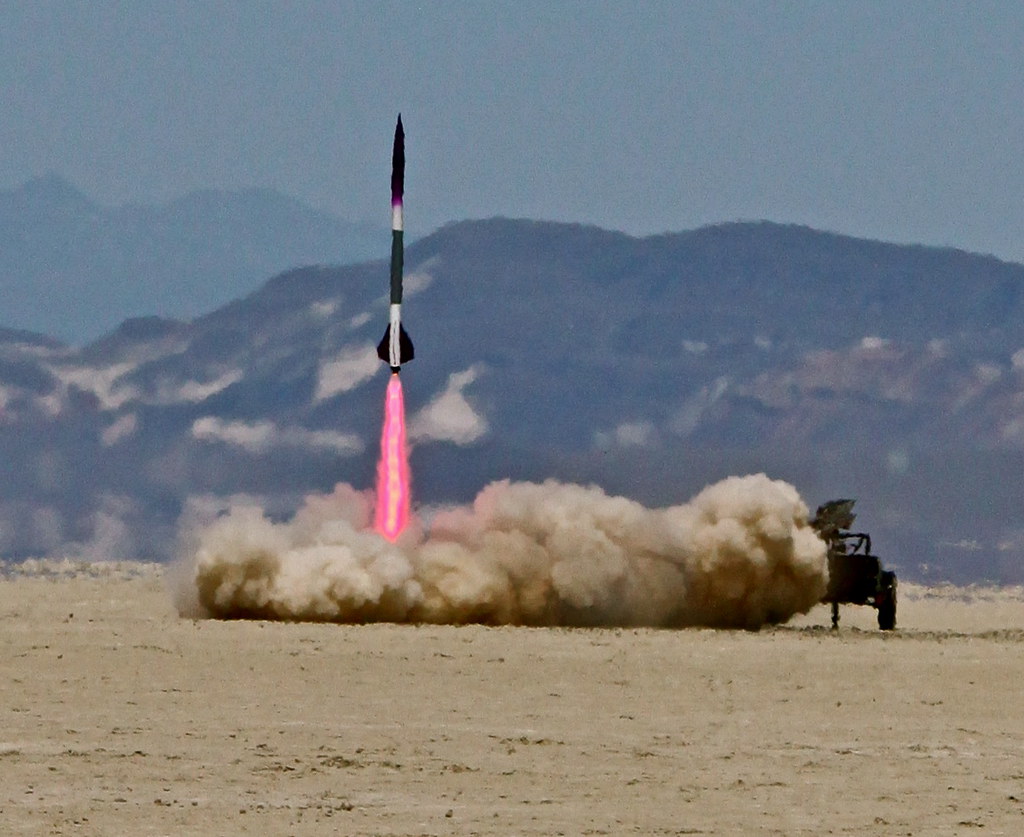
NASA SmallSats launch aims to enhance our understanding of space science and orbital technology. This recent mission marks a significant step forward in expanding our capabilities in space exploration.
Overview of NASA’s SmallSats Launch
NASA recently achieved a significant milestone by launching three SmallSats aimed at advancing space science and orbital technology. This initiative reflects the agency’s commitment to exploring innovative solutions in space research.
The SmallSats, which are smaller and more cost-effective than traditional satellites, are designed to carry out a variety of missions that could enhance scientific understanding of our universe. The launch marks a pivotal step in leveraging smaller spacecraft for more efficient data collection and analysis.
Key objectives of the NASA SmallSats launch include:
- Enhancing Earth Observation: The SmallSats will gather critical data about Earth’s atmosphere and climate.
- Testing New Technologies: These missions will help develop cutting-edge technologies that can be utilized in future space endeavors.
- Promoting Collaborative Science: The SmallSats are expected to facilitate partnerships between NASA and various academic institutions, fostering a collaborative environment for scientific discovery.
Overall, the NASA SmallSats launch signifies a forward-thinking approach to space exploration, emphasizing the importance of innovation and partnership in the quest for knowledge beyond our planet.
Impact on Space Science
The recent NASA SmallSats launch has sparked significant discussions regarding its potential impact on space science. By deploying small satellites, NASA aims to enhance our understanding of various cosmic phenomena and improve technological capabilities in orbit.
One of the primary advantages of small satellites is their cost-effectiveness. They allow for faster development and deployment times compared to traditional larger spacecraft. This agility means that researchers can respond more quickly to emerging scientific questions and adapt their missions accordingly.
- Innovative Research: The small satellites are designed to test new instruments and technologies that can lead to breakthroughs in astrophysics.
- Increased Collaboration: The launch encourages partnerships with universities and private companies, fostering a shared knowledge base in space research.
- Accessibility: Smaller missions can democratize access to space, allowing more scientists to contribute to space science efforts.
However, some experts caution that while the NASA SmallSats launch presents numerous opportunities, it may also divert funding and resources from larger, more ambitious missions. The balance between small and large-scale endeavors will be crucial for the future of space exploration.
Technological Advancements from SmallSats
The recent NASA SmallSats launch marks a significant milestone in the field of space science, driven by technological advancements that promise to reshape our understanding of the universe. These small satellites, designed for specific scientific missions, offer unique advantages over traditional, larger spacecraft.
One of the key benefits of using SmallSats is their cost-effectiveness. With lower development and launch costs, NASA can deploy multiple missions simultaneously, allowing for a broader scope of research and data collection. This approach not only accelerates the pace of scientific discovery but also enables collaboration with educational institutions and private companies.
Furthermore, SmallSats are increasingly equipped with innovative technologies that enhance their capabilities. These include:
- Advanced sensors that provide high-resolution imagery and data.
- Miniaturized instruments that perform complex analyses with greater efficiency.
- Autonomous systems that allow for real-time decision-making during missions.
As NASA continues to invest in SmallSats, the potential for groundbreaking discoveries in space science expands, positioning these small satellites as a pivotal element in the future of exploration and research.
Future Missions Planned
As NASA continues to explore the potential of small satellite technology, several future missions are already in the pipeline following the recent NASA SmallSats launch. These upcoming missions aim to build on the successes and insights gained from the initial deployment, focusing on various scientific objectives and technological advancements.
Among the anticipated missions are:
- Planetary Exploration: SmallSats will be employed to gather data from distant celestial bodies, providing valuable information that can complement larger missions.
- Earth Observation: These satellites will enhance our understanding of climate change and environmental monitoring through high-resolution imaging and data collection.
- Space Weather Monitoring: Future SmallSats will play a crucial role in tracking solar activity and its impacts on Earth’s atmosphere, which is vital for protecting satellite operations and communication systems.
- Technological Demonstrations: New technologies will be tested in orbit, paving the way for innovative solutions that could be utilized in larger spacecraft.
With these planned missions, NASA is poised to further capitalize on the advantages of small satellites, potentially redefining the future of space science and exploration.
Challenges in Satellite Technology
The recent NASA SmallSats launch has brought to light several challenges that the space community must address to ensure the success of small satellite missions. While these smaller satellites offer numerous advantages, including cost-effectiveness and rapid deployment, they also come with their own set of hurdles.
One of the primary issues is the limited payload capacity of SmallSats, which restricts the amount of scientific instruments and data-gathering equipment that can be included. This can hinder the depth and breadth of research that can be conducted. Additionally, communication challenges arise due to the reduced size and power, often resulting in lower signal strength and reliability compared to traditional satellites.
Another challenge lies in the orbital debris problem. As more SmallSats are launched, the risk of collisions increases, potentially damaging both new and existing satellites. This necessitates stricter regulations and more sophisticated tracking systems to monitor satellite movements.
Furthermore, the rapid pace of technological advancement means that SmallSats can quickly become outdated. Continuous investment in research and development is essential to keep pace with innovations in satellite technology and ensure that these missions can contribute effectively to space science.
Public Interest in Space Exploration
The recent NASA SmallSats launch has sparked significant public interest in space exploration, as more individuals become captivated by the advancements in satellite technology and the potential for groundbreaking discoveries. With the success of this mission, people are increasingly aware of how small satellites can contribute to our understanding of the universe.
Interest in space has been steadily growing, fueled by various factors, including:
- Media Coverage: Extensive news coverage of space missions, particularly those involving innovative technologies, keeps the public engaged.
- Social Media: Platforms like Twitter and Instagram allow space agencies and enthusiasts to share real-time updates and breathtaking images from space.
- Educational Initiatives: Programs aimed at schools and universities have made space science more accessible, inspiring a new generation of scientists and engineers.
- Public Events: Launch events and exhibitions attract thousands of attendees, creating a tangible connection to space exploration.
As the excitement around the NASA SmallSats launch continues to grow, it is clear that public fascination with space exploration is not just a fleeting trend but a movement that could influence future funding and support for space-related initiatives.
How SmallSats Change the Game
The recent NASA SmallSats launch has ushered in a new era in space exploration, fundamentally altering the way we approach scientific research in orbit. These small satellites, often weighing less than 500 kilograms, offer several advantages that traditional, larger satellites cannot match.
- Cost-Effective: The development and deployment of SmallSats are significantly cheaper, allowing for more frequent launches and experimentation.
- Rapid Development: SmallSats can be constructed more quickly than their larger counterparts, enabling timely responses to emerging scientific questions.
- Flexibility: With their smaller size, these satellites can be launched as secondary payloads, maximizing existing launch opportunities.
- Innovative Technology: SmallSats often incorporate cutting-edge technology, facilitating advancements in various fields such as Earth observation and astrophysics.
Moreover, the collaborative nature of SmallSat missions fosters partnerships among universities, private companies, and government agencies. This synergy not only enhances research capabilities but also encourages the next generation of scientists and engineers to engage in space exploration. As more SmallSats take to the skies, the landscape of space science continues to evolve, promising new discoveries and a deeper understanding of our universe.
Conclusion on NASA’s Initiative
In conclusion, NASA’s SmallSats launch represents a pivotal moment for the future of space science. By harnessing the power of miniature satellites, the agency is not only pushing the boundaries of what is scientifically possible but also redefining how missions are conducted in the cosmos. The advantages presented by SmallSats, such as cost-effectiveness and rapid deployment, offer a compelling alternative to traditional satellite missions.
Moreover, the recent launch underscores a growing emphasis on innovation within the field. As technologies continue to evolve, SmallSats are likely to play an increasingly significant role in gathering data that can lead to groundbreaking discoveries. The collaborative efforts seen in this initiative highlight the importance of partnership between government agencies, private companies, and academic institutions.
However, challenges still remain, including the need for improved reliability and communication systems. Public interest in space exploration is also a crucial factor, as it drives funding and support for future missions. Ultimately, NASA’s SmallSats launch is a strategic step forward, promising to enhance our understanding of the universe while inspiring the next generation of scientists and engineers.
The NASA SmallSats launch has opened new avenues for research and collaboration within the space science community. As scientists assess the implications of the NASA SmallSats launch, many are optimistic about the potential discoveries that could arise from these innovative missions.
By jurvetson via Openverse