
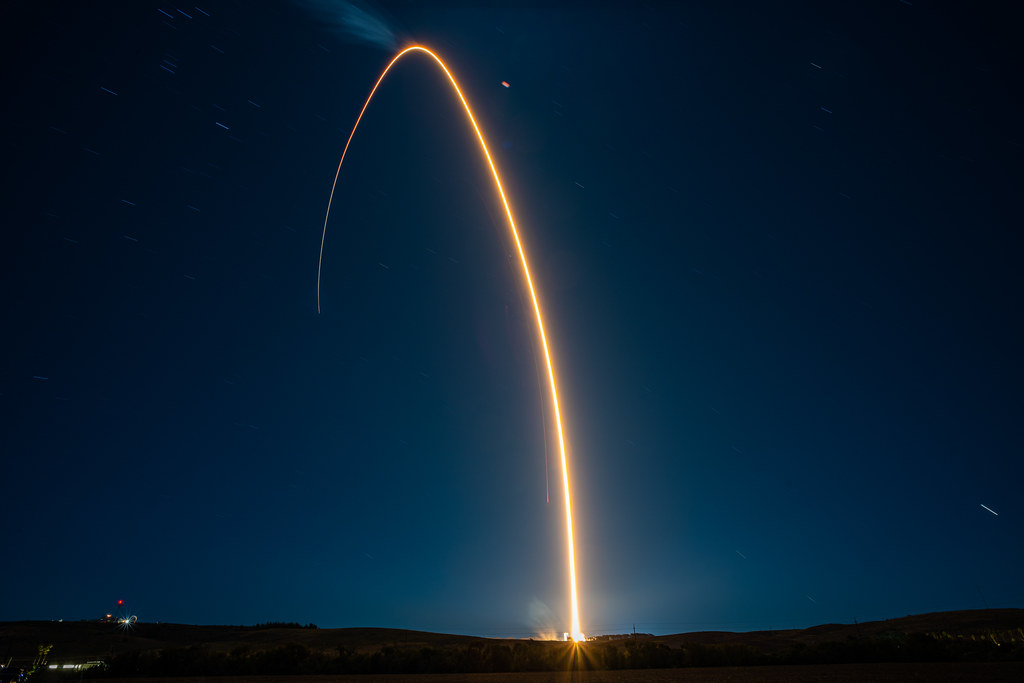
The AI satellite launch by Google represents a groundbreaking step in space exploration. This initiative aims to establish an AI data center in orbit, showcasing the potential of advanced technology in outer space.
Overview of Project Suncatcher
Google’s recent AI satellite launch marks a significant milestone in space technology. Dubbed Project Suncatcher, this initiative aims to establish a cutting-edge AI data center in orbit. Launched on October 1st, the satellite is equipped with a dedicated AI chip known as a Tensor Processing Unit (TPU). This specialized hardware is designed to optimize machine learning tasks, enabling the satellite to process vast amounts of data in real-time.
The primary goals of Project Suncatcher include:
- Enhancing data processing capabilities in space, reducing the need to transmit large datasets back to Earth.
- Testing the viability of AI applications in a space environment, which can be crucial for future missions.
- Exploring new methods of data collection and analysis, paving the way for advancements in satellite technology.
As this project progresses, the implications for both space exploration and terrestrial AI applications could be profound. Project Suncatcher represents a leap forward in how we harness technology beyond our planet.
Implications of AI in Space
The recent AI satellite launch by Google marks a significant milestone in the integration of artificial intelligence with space technology. As innovations continue to evolve, the implications of deploying AI in space are profound.
- Enhanced Data Processing: AI enables satellites to process vast amounts of data in real-time, improving decision-making and reducing the time needed for analysis.
- Autonomy: With AI, satellites can operate independently, making critical decisions without human intervention. This autonomy is crucial for missions in remote areas of space where communication delays can hinder operations.
- Improved Accuracy: AI algorithms can enhance the accuracy of satellite imagery and data collection, providing more reliable information for researchers and businesses alike.
- Cost Efficiency: By automating processes and reducing the need for extensive ground support, AI in satellites can lead to significant cost savings for space missions.
As we explore the potential of AI satellite launches, the future may hold unprecedented capabilities in observing Earth, exploring other planets, and contributing to climate research and disaster response efforts.
The Technology Behind the AI Chip
The recent AI satellite launch represents a significant leap in space technology, primarily due to the innovative AI chip integrated into the satellite. This chip, known as the Tensor Processing Unit (TPU), has been designed specifically to handle complex machine learning tasks efficiently.
One of the standout features of the TPU is its ability to process vast amounts of data at unparalleled speeds. This capability is vital for real-time analysis and decision-making in space, which can enhance the functionality of satellites far beyond traditional capabilities.
Moreover, the TPU’s energy efficiency allows it to operate effectively in the unique environment of outer space, where power sources are limited. The chip is optimized to reduce power consumption while maximizing computational performance, making it ideal for long-duration missions.
Key benefits of the AI chip technology include:
- Enhanced data processing: Enables real-time data analysis from space.
- Increased operational autonomy: Reduces the need for constant human intervention.
- Improved mission adaptability: Allows for dynamic responses to unexpected conditions.
As the AI satellite launch progresses, the implications of this technology are poised to redefine the future of space exploration.
Benefits of Space-Based Data Centers
The recent AI satellite launch has opened up new possibilities for space-based data centers, offering numerous advantages that could revolutionize the way we process and store data. One of the primary benefits is enhanced performance, as these data centers can operate in a microgravity environment, reducing the energy required for cooling systems and improving overall efficiency.
Additionally, satellite-based data centers can provide global coverage, enabling real-time data processing and analysis from anywhere on Earth. This is especially valuable for industries that rely on immediate access to information, such as disaster response and climate monitoring.
Another significant advantage is the potential for increased data security. With a remote location in space, these data centers may be less susceptible to physical threats, such as natural disasters or cyberattacks targeting terrestrial infrastructures.
Moreover, the integration of AI technology within these satellite systems can lead to smarter data management. Through advanced algorithms, the AI chip can optimize data storage and retrieval processes, making operations more efficient.
In conclusion, the benefits of space-based data centers, as showcased by the recent AI satellite launch, present exciting opportunities for the future of data management and processing.
Future of AI in Space Exploration
The future of AI in space exploration looks promising, especially following the recent AI satellite launch by Google. As artificial intelligence continues to evolve, its integration into space missions will redefine how we analyze and interpret data from beyond our planet.
With the successful deployment of the satellite equipped with a dedicated AI chip, known as TPU, Project Suncatcher is set to pave the way for more advanced applications of AI in various aspects of space exploration.
Some potential advancements include:
- Autonomous Navigation: AI can enhance spacecraft navigation, allowing for real-time adjustments and decision-making during missions.
- Data Analysis: The ability to process vast amounts of data swiftly can lead to quicker discoveries and insights about celestial bodies.
- Resource Management: AI can help in optimizing the use of resources during long-duration missions, contributing to sustainability efforts in space.
- Predictive Maintenance: AI systems can predict equipment failures, enabling timely repairs and extending the life of missions.
As technology advances, the role of AI in space exploration will undoubtedly expand, making future missions more efficient and data-driven.
Public Reaction to the Satellite Launch
The recent AI satellite launch has sparked a wave of public interest and excitement, with many people eager to understand the implications of this groundbreaking technology. Following the successful deployment of the satellite on October 1st, reactions have poured in from various sectors, including technology enthusiasts, researchers, and environmentalists.
- Innovation Enthusiasts: Many in the tech community are praising the launch as a significant milestone in the evolution of space technology. The integration of AI capabilities into satellite systems is seen as a revolutionary step that could enhance data processing and decision-making in real time.
- Environmental Advocates: Some environmentalists have expressed cautious optimism, believing that the AI satellite could play a vital role in monitoring climate change and disaster management by providing critical data from a unique vantage point.
- General Public: Social media has been abuzz with discussions about the potential applications of the AI satellite launch, with users sharing their hopes and concerns about the future of AI in space exploration.
As the implications of this launch unfold, it remains clear that the fusion of AI technology and space exploration is capturing the imagination of many.
The AI satellite launch represents a significant advancement in our ability to monitor and analyze environmental changes from space. By leveraging the best proven technology in space, the AI satellite launch can provide real-time data that is crucial for decision-making on Earth.
By beltz6 via Openverse