
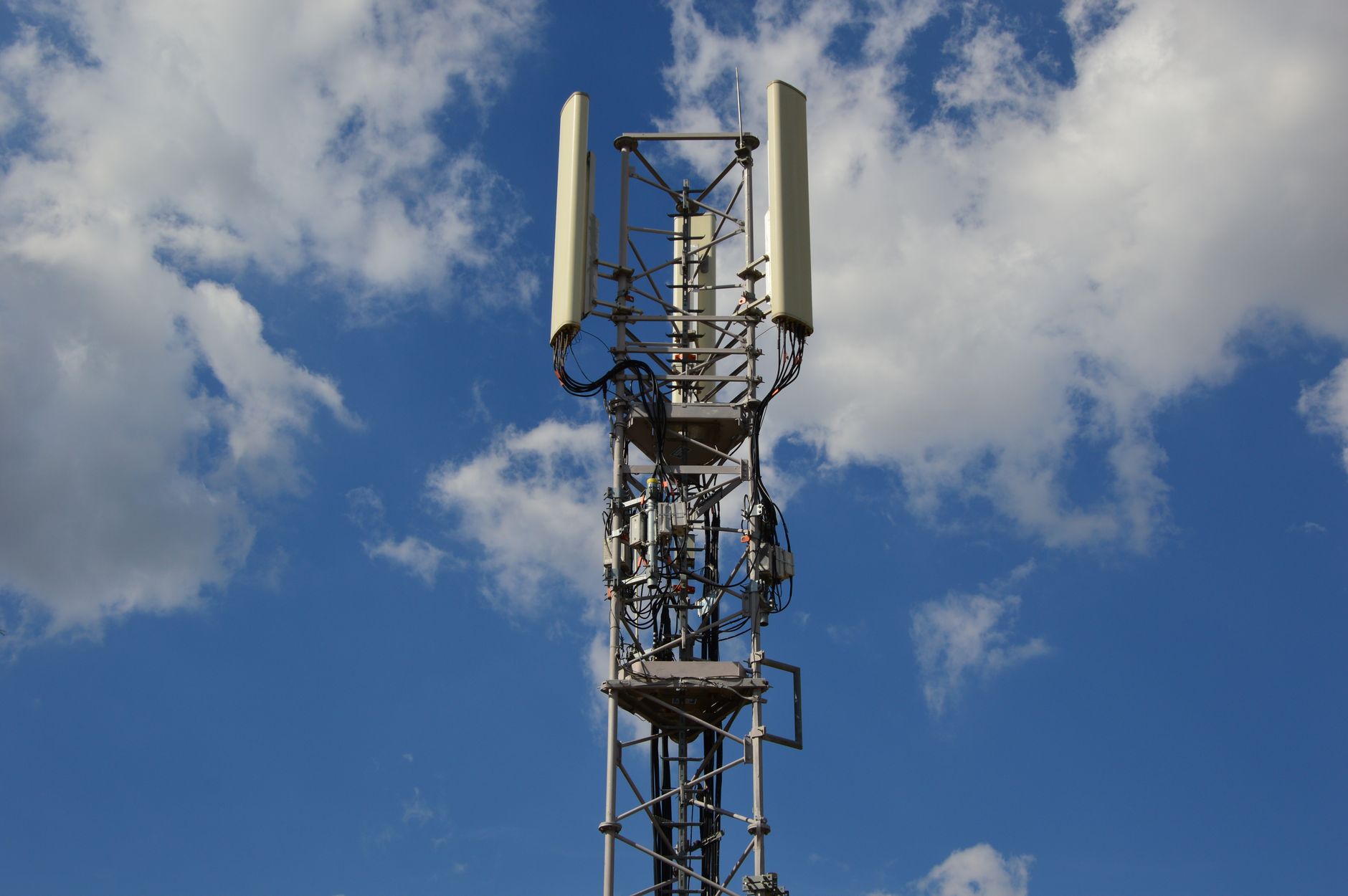
Indigenous 5G rollout is a key focus for BSNL as they prepare to enhance their network capabilities. The company is optimistic about the results of their existing 4G network.
Overview of BSNL’s 5G Plans
BSNL is making significant strides in its Indigenous 5G rollout, demonstrating a commitment to enhancing telecommunications across the nation. With the current 4G network already showing promising results, the company is gearing up for an extensive 5G implementation. According to officials, this transition is not merely a technological upgrade but a strategic move aimed at boosting connectivity in both urban and rural areas.
Key aspects of BSNL’s 5G plans include:
- Infrastructure Development: BSNL is focused on building a robust infrastructure that supports high-speed data services and seamless connectivity.
- Collaborations: The company aims to collaborate with various stakeholders, including technology partners and local governments, to ensure a successful rollout.
- Research and Innovation: Continued investment in research and development is crucial to leverage indigenous technologies and foster innovation within the telecommunications sector.
- Targeted Deployment: BSNL plans to prioritize areas that are currently underserved, ensuring equitable access to 5G technology.
As BSNL prepares for this significant leap, the emphasis remains on creating a sustainable model for the Indigenous 5G rollout that aligns with national objectives and promotes digital inclusion.
Current Status of 4G Network
The current status of the 4G network in India has shown promising results, setting a strong foundation for the upcoming Indigenous 5G rollout. The Bharat Sanchar Nigam Limited (BSNL) has been actively enhancing its 4G infrastructure, which has significantly improved connectivity in both urban and rural areas. According to recent statements from BSNL officials, the 4G network is not only meeting the demands of the population but also paving the way for advanced technologies.
As the country gears up for the transition to 5G, it is crucial to highlight some key aspects of the existing 4G network:
- Increased Coverage: The 4G network has expanded its reach, providing better services to remote regions where connectivity was previously limited.
- Enhanced User Experience: Users are experiencing faster internet speeds and improved reliability, making mobile services more efficient.
- Support for Digital Initiatives: The existing 4G infrastructure has facilitated various digital initiatives, fostering economic growth and technological adoption.
These advancements in the 4G network are crucial as India prepares for the Indigenous 5G rollout, ensuring that the transition is smooth and effective. With the groundwork laid by the 4G network, stakeholders are optimistic about the future of connectivity in the country.
Challenges in 5G Implementation
The rollout of Indigenous 5G technology faces several significant challenges that must be addressed to ensure successful implementation. These challenges are crucial to navigate for the benefit of both service providers and consumers.
- Infrastructure Development: One of the primary hurdles is the need for robust infrastructure that supports 5G technology. This includes the installation of new towers and upgrading existing ones to handle the increased bandwidth demands.
- Funding and Investment: Securing adequate funding for the Indigenous 5G rollout remains a challenge. Investment is essential not only for infrastructure but also for research and development to foster innovation in local technology.
- Regulatory Hurdles: Navigating the regulatory landscape can be complex. Coordinating with government policies and ensuring compliance with local regulations is vital for a smooth rollout.
- Technological Integration: Integrating new 5G technology with existing networks can pose technical challenges. Ensuring seamless connectivity and compatibility between systems is critical for user experience.
- Public Awareness and Adoption: Finally, building public awareness about the benefits of Indigenous 5G is necessary. Educating consumers on the advantages and potential applications of the technology can drive adoption.
Successfully overcoming these challenges will be key to the long-term success of the Indigenous 5G rollout.
Benefits of Indigenous 5G
The rollout of Indigenous 5G technology brings numerous benefits that can significantly impact various sectors and communities. As India prepares for this transition, several key advantages emerge.
- Enhanced Connectivity: Indigenous 5G rollout promises to provide faster and more reliable internet access, which is crucial for remote areas that are currently underserved.
- Boost to Local Economies: With improved connectivity, local businesses can expand their reach and improve operational efficiencies, leading to economic growth in indigenous communities.
- Empowerment of Education: Students and educational institutions will benefit from high-speed internet, facilitating access to online resources and remote learning opportunities.
- Healthcare Advancements: Indigenous 5G can enhance telemedicine capabilities, allowing healthcare providers to offer better services to rural populations.
- Support for Innovation: This rollout fosters a conducive environment for technological innovations, encouraging startups and entrepreneurs to develop solutions tailored to local needs.
- Strengthened Cultural Identity: By utilizing Indigenous 5G, communities can create platforms to share their culture and heritage, ensuring they remain vibrant and relevant in a digital age.
Overall, the Indigenous 5G rollout is poised to transform lives, providing essential tools for progress and sustainability in various facets of society.
Future of Telecom in India
The future of telecom in India is poised for a significant transformation with the ongoing Indigenous 5G rollout. As the nation embraces this advanced technology, several critical factors will shape its trajectory.
One of the primary drivers will be the enhancement of digital infrastructure across urban and rural areas. This expansion is expected to bridge the digital divide, providing equitable access to high-speed internet for all citizens. Moreover, the rollout will empower various sectors, including education, healthcare, and agriculture, to leverage the capabilities of 5G technology.
Additionally, collaboration between the government, private sector, and telecom operators will be essential. Such partnerships will facilitate the sharing of resources and expertise, ultimately accelerating the deployment of 5G networks. Key strategies for success include:
- Investment in Research and Development: Investing in R&D can lead to innovative solutions tailored to local needs.
- Public Awareness Campaigns: Educating the public on the benefits of 5G technology will encourage adoption.
- Regulatory Frameworks: Establishing clear regulations will streamline the implementation process.
As the Indigenous 5G rollout progresses, it is crucial for stakeholders to remain adaptive and responsive to emerging challenges and opportunities in the telecom landscape.
BSNL’s Commitment to Innovation
BSNL has reaffirmed its commitment to innovation as it prepares for the Indigenous 5G rollout, positioning itself as a leader in the telecommunications sector. The company’s strategic focus on developing homegrown technology is intended to enhance connectivity and bridge the digital divide across India.
To achieve this, BSNL is implementing several proven strategies:
- Collaboration with Local Startups: By partnering with indigenous tech firms, BSNL aims to leverage local expertise and resources, fostering innovation and enhancing the quality of services.
- Investment in Infrastructure: Strengthening existing infrastructure and investing in new technologies are crucial steps for a successful rollout. BSNL plans to upgrade its network to support 5G capabilities effectively.
- Focus on Rural Connectivity: The Indigenous 5G rollout will prioritize extending services to rural and underserved areas, ensuring that all communities benefit from advanced telecommunications.
- Public-Private Partnerships: Collaborating with government bodies and private sector players will be essential to share resources, knowledge, and best practices.
These initiatives reflect BSNL’s dedication to not only modernizing its network but also contributing to India’s broader goal of technological self-sufficiency and digital empowerment.
Photo by Ulrick Trappschuh on Pexels
Read the original
Related reading
OnePlus 16 launch: The Best Features and Specs Revealed · AMD RDNA 5 GPU: Is the Release Timing Worth the Wait? · Special Edition AirPods 5: Best Launch with Proven Discounts