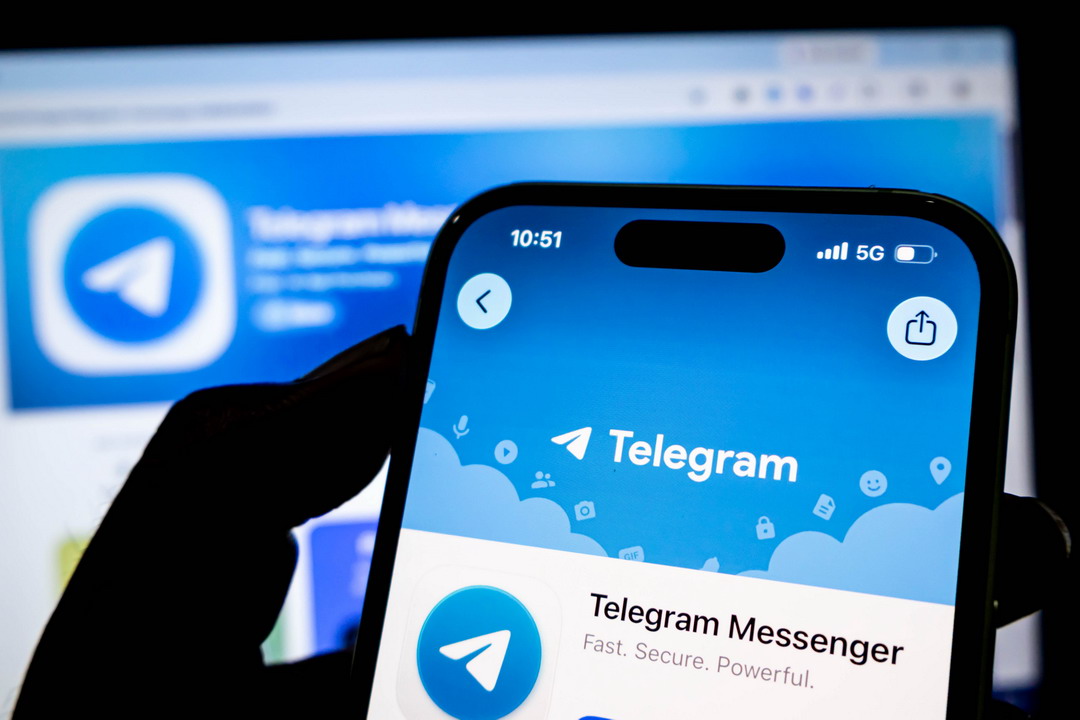
A few years ago, Telegram became a focal point of the cybercrime ecosystem. Threat actors were using it to distribute infostealer logs. They were turning to Telegram as an initial access marketplace and a source for ransomware and activist activity. Telegram even became a hacker trading platform. To keep up, security operations teams have turned to Telegram channel monitoring. It is now a core component of a comprehensive threat intelligence program.
What It Is, How It Works
DarkOwl, an expert in Telegram channel monitoring, says the practice involves systematically gathering, parsing, and analyzing a variety of data gleaned from Telegram channels. The data includes messages and attachments. It includes aliases and logs. Telegram channel monitoring links data points across public and semi-private channels and groups.
Monitoring is essentially a process with four primary phases:
- Automated Ingestion – Specialized threat intelligence software ingests massive amounts of data from thousands of linked Telegram channels by way of passive scrapers and other specialized collection methods.
- Parsing and Structuring – Unstructured information is automatically parsed to produce structured entities like compromised credentials and corporate domain mentions.
- Contextual Enrichment – Machine learning and natural language processing tools translate threat actor jargon and enrich it with context, so that adversary chatter becomes actionable insights.
- Correlation – Cleaned and enriched data is then indexed and cross-referenced against known dark web and internal datasets. Alerts are automatically triggered whenever high-risk exposures are identified through correlation.
Think of Telegram channel monitoring as a comprehensive investigative process that gathers evidence and then makes sense of it. Actionable conclusions are forwarded to those responsible for actually stopping cyberattacks.
Telegram Monitoring Has Its Challenges
Telegram channel monitoring has proven its worth over the years. But it is difficult. Effective monitoring and analysis have their challenges, including:
- Volume and Noise – Telegram channels generate millions of log lines every single day. Distinguishing genuine threat indicators from low-level noise requires intense filtering and data analysis.
- Platform Churn – Telegram being used by threat actors is no secret. It is very much out in the open. As a result, channels come and go without warning. Administrator bans, targeted migrations, and self-deletion are all quite common. Tracking threat actors in an environment where churn is normal can be daunting.
- Analyst Risk – Manually tracking threat actors across Telegram puts an analyst at risk. Individuals and security teams are subjected to efforts to expose IPs and deanonymize them.
Topping it all off is the fact that Telegram has gradually become more aggressive in the fight to weed out threat actors of all types. Their efforts are forcing threat actors to rethink how they use the platform.
Shifting Behaviors and Countermeasures
As you might expect, threat actors are constantly modifying their own behaviors to avoid security analysts and law enforcement. As Telegram puts more pressure on them, they are shifting their strategies:
- Gated Communities – Threat actors are moving away from easily discovered public channels to the Telegram equivalent of gated communities. These are private, invite-only channels requiring external vetting and verification to gain access.
- Fragmentation – Threat actors are no longer relying exclusively on single hubs. Instead, they are deploying their own networks comprising single-use burner channels and automated bot shops.
- Redundancy – Threat actors are building redundancy by pairing their Telegram channels with decentralized platforms that act as operational backups. Even if a channel goes down, the backup is still available.
Even though threat actors are changing how they use Telegram, they continue to use the platform in many ways. For SOCs and individual security analysts alike, Telegram channel monitoring is a non-negotiable investigative tool in the fight to stop their adversaries.