
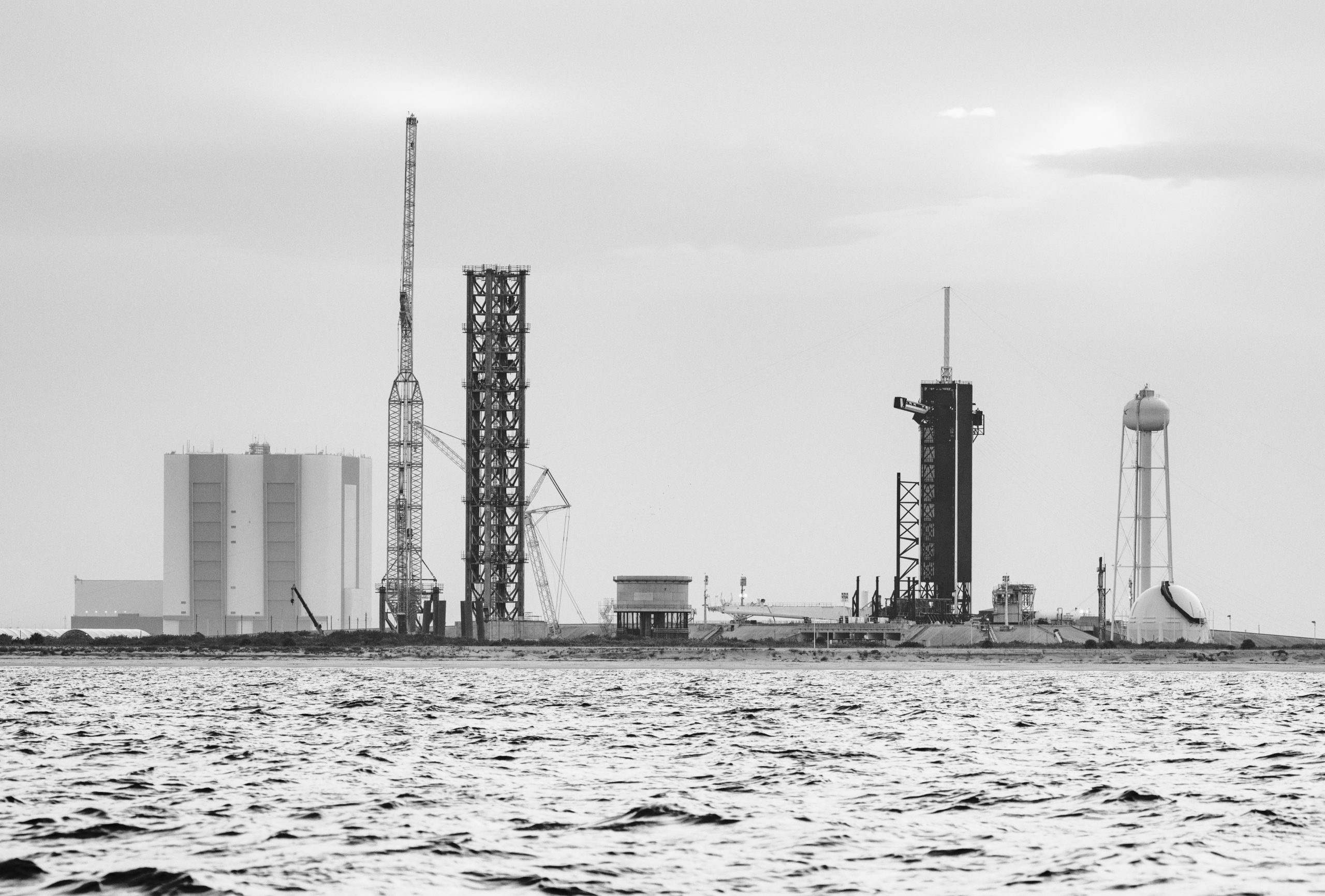
The SpaceX Starship launch successfully completed its first orbital mission, showcasing the company’s advancements in space technology. This historic event has captured the attention of enthusiasts and experts alike.
Overview of the SpaceX Starship launch
The recent SpaceX Starship launch marks a significant milestone in the company’s quest for interstellar travel. This historic event took place on a clear day in Texas, where the rocket lifted off from the SpaceX facility, showcasing the culmination of years of research and development.
The Starship is designed to be a fully reusable spacecraft capable of carrying humans and cargo to destinations such as the Moon and Mars. During this first orbital mission, the rocket successfully demonstrated its capabilities, highlighting several key features:
- Reusability: The Starship aims to reduce costs by allowing multiple flights with the same vehicle.
- Payload Capacity: With an impressive capacity, the Starship can transport large amounts of cargo, which is essential for future missions.
- Advanced Technology: Equipped with state-of-the-art systems, the Starship is tailored for deep space exploration.
As the rocket ascended into the sky, engineers monitored its performance closely, gathering invaluable data that will inform future launches. The successful SpaceX Starship launch not only validates the design and engineering behind the craft but also paves the way for further exploration and the potential colonization of other planets.
Key milestones achieved during the mission
The recent SpaceX Starship launch marked a significant achievement in the realm of space exploration. Several key milestones were reached during this historic mission, showcasing the advancements in technology and engineering that SpaceX has developed over the years.
- Successful Liftoff: The mission commenced with a flawless liftoff from the launch pad in Texas, demonstrating the reliability of the Starship’s propulsion system.
- Stage Separation: One of the critical moments was the successful separation of the Super Heavy booster from the Starship. This milestone is vital for future deep-space missions.
- Orbital Insertion: After reaching a high altitude, the spacecraft executed its planned maneuver for orbital insertion, proving its capability to transition from launch to orbit.
- Data Collection: Throughout the flight, the spacecraft collected valuable data on various systems, which will be analyzed to enhance future missions.
- Safe Recovery: The mission concluded with a successful recovery of the booster, which is essential for SpaceX’s goal of reusability and cost reduction in space travel.
These milestones signify not only a win for SpaceX but also a leap forward in the broader context of space exploration. The success of the SpaceX Starship launch paves the way for more ambitious missions in the future, including plans for lunar landings and potential manned missions to Mars.
Future implications for space travel
The recent SpaceX Starship launch marks a significant milestone in the quest for advanced space travel, with far-reaching implications for the future of exploration beyond Earth.
As the first orbital mission of its kind, this launch demonstrates the potential for reusable spacecraft to reduce the cost and increase the frequency of missions. Experts believe that this success could lead to:
- Increased accessibility: With lower costs, space travel may soon be available to a broader range of organizations, including universities and commercial enterprises.
- Enhanced research opportunities: The ability to send more frequent missions can lead to more extensive scientific research, including studies on Mars and beyond.
- Expansion of commercial spaceflight: The success of the SpaceX Starship launch could pave the way for a new era of commercial space tourism and satellite deployment.
- International collaboration: Countries may be more inclined to collaborate on ambitious projects, leveraging the capabilities of the Starship to explore further into the solar system.
Furthermore, as SpaceX continues to refine its technology, the possibility of establishing a human presence on other planets becomes increasingly realistic. The implications of this launch extend well beyond immediate achievements, potentially reshaping humanity’s approach to space travel in the years to come.
Technological advancements in the Starship
The SpaceX Starship launch represents a significant leap forward in space exploration technology, showcasing several groundbreaking advancements that set it apart from previous spacecraft. One of the most notable innovations is the fully reusable design, which aims to drastically reduce the cost of space travel. By allowing each Starship to be refurbished and reused for multiple missions, SpaceX is positioning itself to make space more accessible than ever before.
In addition to its reusable architecture, the Starship features cutting-edge propulsion systems. The Raptor engines, which utilize a combination of liquid methane and liquid oxygen, provide enhanced efficiency and power, enabling the spacecraft to achieve the velocities required for orbital insertion. This propulsion technology not only enhances performance but also aligns with SpaceX’s commitment to sustainable practices in spaceflight.
Moreover, the spacecraft’s robust heat shield is designed to withstand the extreme conditions of re-entry, ensuring the safety of both crew and cargo. This advancement in thermal protection technology is pivotal for future missions that may include human passengers.
Alongside these technical improvements, the Starship incorporates advanced avionics and navigation systems that enhance its operational capabilities. These systems provide real-time data and autonomous control, which are crucial for successful mission execution.
In summary, the technological advancements showcased in the SpaceX Starship launch not only highlight the vehicle’s potential for future missions but also reaffirm SpaceX’s role as a leader in the aerospace industry.
Reactions from the space community
The recent SpaceX Starship launch has generated a wave of excitement and optimism within the space community. Experts and enthusiasts alike have expressed their reactions, highlighting the significance of this milestone in the evolution of space exploration.
- NASA Administrator Bill Nelson stated, “The successful launch of the Starship demonstrates the incredible potential of private-public partnerships in space exploration. This mission is a testament to human ingenuity and determination.”
- Space analyst Dr. Emily Carter remarked, “The SpaceX Starship launch showcases not only advanced technology but also the commitment to making space travel accessible. The implications for future missions are profound.”
- Astrophysicist Dr. Raj Patel emphasized, “This launch paves the way for deeper exploration of Mars and beyond. SpaceX is redefining the boundaries of what’s possible.”
In forums and discussions online, reactions have ranged from awe to anticipation. Many space aficionados took to social media to share their excitement, with hashtags like #StarshipLaunch trending worldwide. The successful deployment of the spacecraft on its inaugural orbital mission has ignited conversations about potential collaborations between various space agencies.
As the dust settles from this groundbreaking event, it is clear that the SpaceX Starship launch has not only marked a new chapter in space travel but has also united the global space community in shared aspirations for the future.
What’s next for SpaceX?
As SpaceX celebrates the successful launch of its Starship on its first orbital mission, attention is already turning to what lies ahead for the company and its ambitious plans in space exploration. The launch has not only demonstrated the capabilities of the Starship but has also set the stage for a series of upcoming projects.
One of the immediate next steps for SpaceX is to analyze the data gathered during this mission. Engineers and scientists will be reviewing performance metrics to identify areas for improvement and ensure future launches can be even more successful.
In addition to refining the Starship technology, SpaceX is expected to ramp up its efforts for crewed missions. Plans to send astronauts to the Moon and eventually to Mars are central to the company’s long-term vision. This aligns with NASA’s Artemis program, which aims to return humans to the Moon by the mid-2020s.
Moreover, SpaceX is looking to expand its launch services for commercial satellites, which could further bolster its position in the aerospace industry. The success of the Starship launch is likely to attract more partnerships and contracts.
With the recent achievements, the future looks bright for SpaceX. As they continue to innovate and push boundaries, the implications of the Starship launch will resonate throughout the space community for years to come.
The recent SpaceX Starship launch has marked a significant milestone in the company’s pursuit of interplanetary travel. With the proven success on first orbital mission, the SpaceX Starship launch sets the stage for future explorations beyond Earth.
By Charles Boyer via Openverse
References
Nvidia safety platform: Is it the best way to prevent AI rogue agents? · Oppo F35 Series: The Best Launch Date and Key Details · Best AI Image Editor with Prompt Free & Talking Photo Tools of 2025