
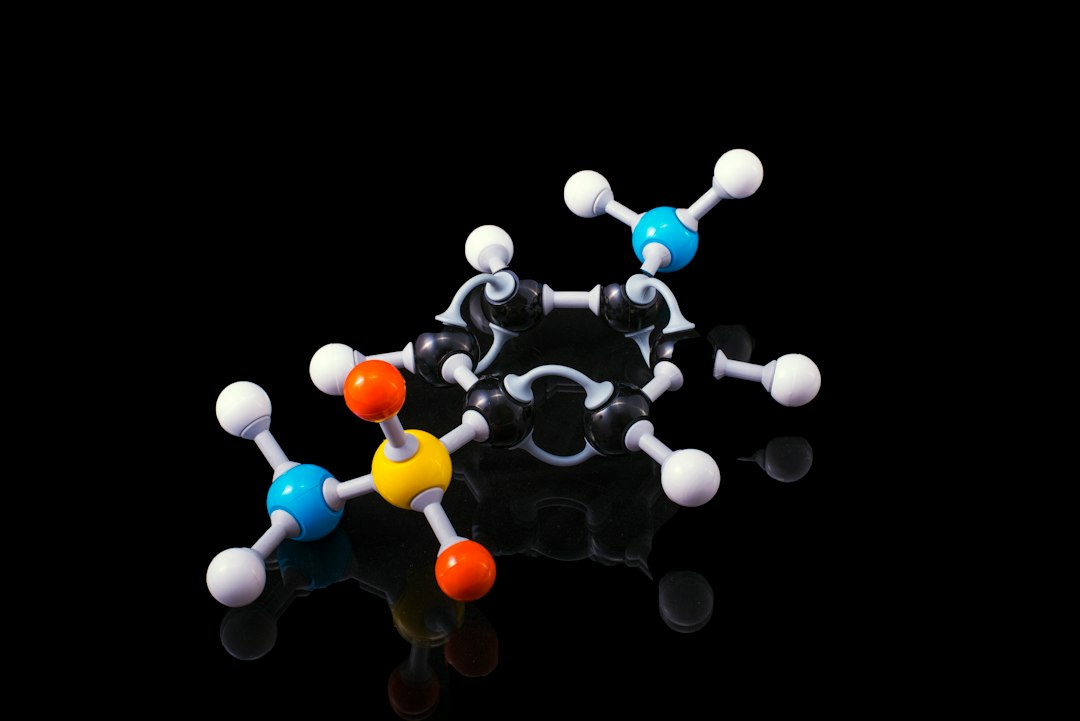
Chemical research involves substances with different structures, properties, functions, and potential hazards. For this reason, clear classification is essential when scientists evaluate materials for laboratory work. Research Chemicals are generally discussed according to their chemical structure, intended research context, physical characteristics, and known or suspected hazards. A consistent classification approach helps researchers organize information, interpret documentation, and establish suitable laboratory controls before working with unfamiliar substances.
Classification by Chemical Structure
One of the most fundamental approaches is structural classification. Chemicals may be grouped according to the arrangement of atoms and functional groups within their molecular structures. Organic compounds, inorganic compounds, aromatic compounds, heterocyclic compounds, and other structural families can have very different characteristics.
Structural classification helps researchers compare related substances and understand how changes within a molecular framework may influence properties. It is particularly useful when reviewing scientific literature, laboratory records, analytical data, and chemical databases. However, structural similarity alone does not establish that two substances have identical safety profiles or research applications.
Classification by Physical Properties
Physical characteristics provide another important classification layer. Researchers may encounter substances in solid, liquid, gaseous, crystalline, or other physical forms. Characteristics such as volatility, stability, solubility, flammability, and reactivity can influence how a material should be handled in a controlled laboratory environment.
Physical classification is useful because two substances belonging to a similar structural family may behave very differently under laboratory conditions. Understanding these distinctions supports better storage decisions, equipment selection, labeling practices, and risk assessment.
Classification by Hazard Characteristics
Hazard-based classification focuses on potential risks rather than molecular structure. Chemicals can present physical hazards, health hazards, or both. Common hazard categories may involve corrosivity, acute toxicity, irritation, sensitization, flammability, oxidizing behavior, instability, or environmental concerns.
Safety systems such as the Globally Harmonized System provide structured approaches for communicating chemical hazards. Safety Data Sheets also provide important information concerning hazards, handling, storage, exposure controls, and emergency considerations. Researchers should review the available safety documentation rather than relying solely on a product name or broad chemical category.
Classification by Research Purpose
Another useful method involves intended research purpose. A substance may be studied for analytical chemistry, material science, pharmaceutical research, biochemical investigation, environmental testing, or other legitimate scientific applications. The same chemical can therefore appear in different research settings while being evaluated according to different experimental requirements.
This distinction is important because classification should not automatically imply a specific use. Research context, authorization, laboratory procedures, and applicable regulations all influence how a chemical should be evaluated.
Why Accurate Classification Matters
Accurate classification supports several aspects of laboratory management. It can improve inventory organization, assist with hazard communication, support appropriate storage arrangements, and help researchers identify documentation that should be reviewed before work begins.
A well-maintained chemical inventory should connect substance identification with relevant safety information. Labels should remain clear, and records should be updated when materials are received, transferred, or disposed of. Laboratory personnel should also understand the procedures established by their institution.
Reviewing Classification Information
Classification should be treated as an ongoing information process rather than a one-time decision. New analytical findings, updated safety information, regulatory changes, or revised scientific understanding may affect how a substance is described.
Researchers should therefore consult reliable chemical databases, current Safety Data Sheets, institutional safety procedures, and applicable regulations. When uncertainty exists, qualified safety personnel should be consulted before laboratory work proceeds.
Conclusion
The classification of research chemicals combines several perspectives, including chemical structure, physical properties, hazard characteristics, and research context. No single category provides a complete picture. A structured approach allows researchers to understand materials more clearly while supporting responsible laboratory management. When classification is combined with accurate documentation, appropriate training, and established safety procedures, laboratories can maintain a more organized and informed environment for scientific investigation.
Key Points
- Research chemicals are classified based on chemical structure, physical characteristics, hazard characteristics, and intended research purpose.
- Structural classification groups chemicals by the arrangement of atoms and functional groups, aiding in the comparison of related substances.
- Physical classification considers characteristics like volatility and stability, which can significantly impact how substances are handled in the laboratory.
- Hazard-based classification focuses on potential risks, categorizing chemicals according to their physical and health hazards.
- Accurate classification enhances laboratory management by improving inventory organization, hazard communication, and appropriate storage arrangements.
- Classification of research chemicals should be treated as an ongoing process, taking into account new findings and safety information.