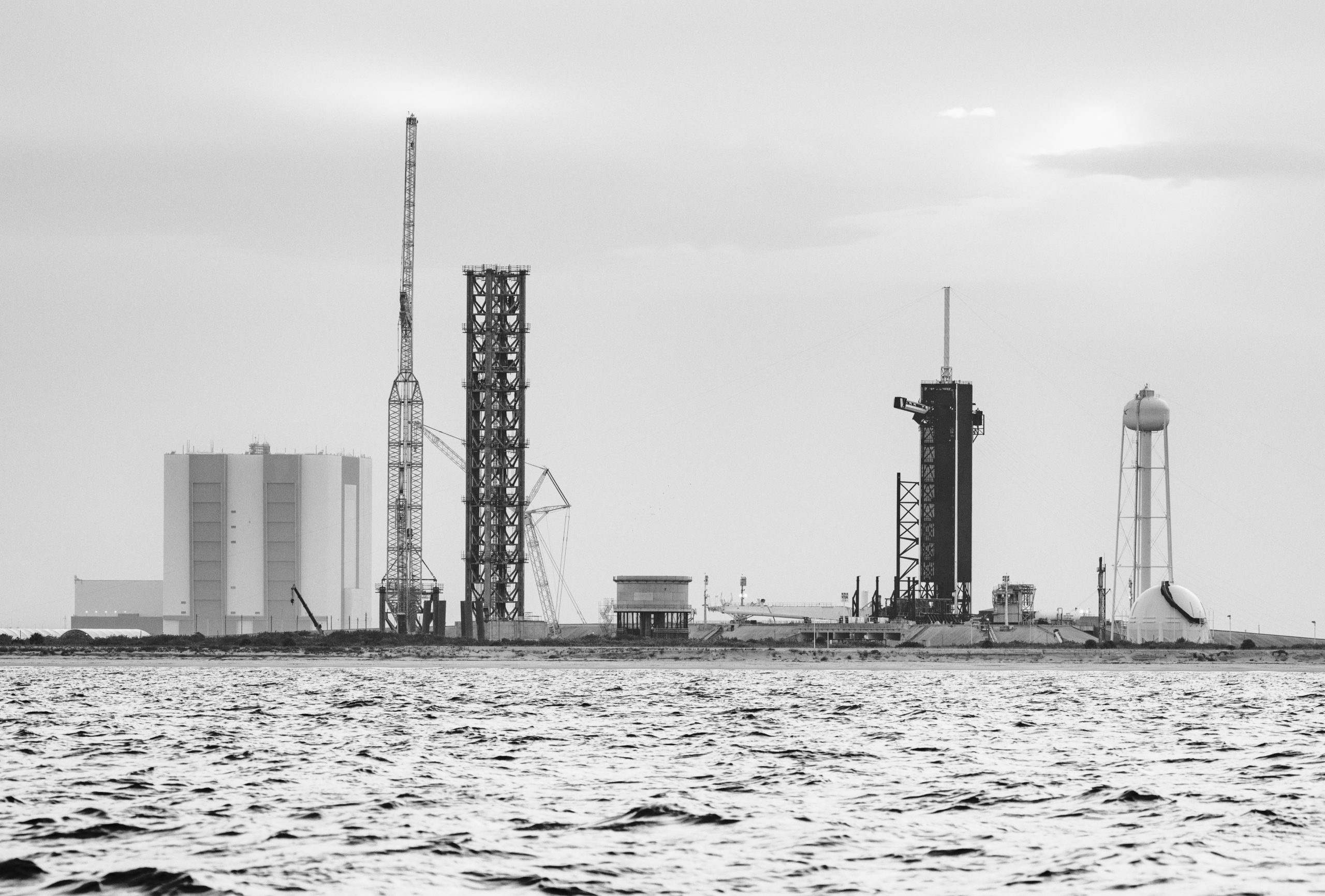
ISRO NVS-03 satellite is a significant development in India’s space program. The launch aims to enhance the NavIC constellation, ensuring improved navigation capabilities for users.
Overview of the NVS-03 Satellite
The recent launch of the ISRO NVS-03 satellite marks a significant step in enhancing India’s navigation capabilities through the NavIC system. Designed to provide accurate positioning services, the NVS-03 satellite is equipped with advanced technology that aims to improve the overall performance of the NavIC constellation.
This satellite is part of a larger strategy by the Indian Space Research Organisation (ISRO) to strengthen the nation’s autonomous navigation capabilities and reduce reliance on foreign systems. The NVS-03 is expected to offer enhanced services for both civilian and military applications, thereby contributing to India’s self-reliance in satellite navigation.
Key features of the NVS-03 satellite include:
- Improved Accuracy: The satellite is designed to provide more precise location data, crucial for various applications.
- Increased Reliability: With enhanced technology, the satellite can maintain reliable communication even in challenging environments.
- Broader Coverage: NVS-03 is set to extend the coverage area of the NavIC services, making them more accessible across India and surrounding regions.
Overall, the ISRO NVS-03 satellite represents a pivotal advancement in India’s ambition to lead in satellite navigation technology.
Importance of NavIC Constellation
The NavIC constellation plays a crucial role in providing accurate positioning services across India and the surrounding region. As the Indian Space Research Organisation (ISRO) continues to expand this constellation with the launch of the NVS-03 satellite, its importance in various sectors becomes increasingly evident.
NavIC, or the Navigation with Indian Constellation, is designed to offer reliable and precise navigation to users in India and nearby areas. This system is particularly significant for:
- Transportation: Enhanced navigation aids for vehicles, including aircraft, ships, and terrestrial transport, ensuring safer and more efficient travel.
- Agriculture: Improved land surveying and crop monitoring, enabling farmers to optimize resource usage and increase yields.
- Disaster Management: Accurate positioning data aids in emergency response and management during natural disasters.
- Telecommunications: Supporting better timing and synchronization for communication networks.
By launching the NVS-03 satellite, ISRO not only strengthens the NavIC constellation but also enhances India’s self-reliance in navigation technology. This move is anticipated to bolster various sectors, ultimately contributing to the nation’s socio-economic growth.
ISRO’s Recent Achievements
ISRO has made significant strides in enhancing India’s satellite navigation capabilities with the successful launch of the NVS-03 satellite. This achievement marks a crucial step in the ongoing development of the NavIC constellation, which aims to provide accurate positioning services across the country and surrounding regions.
The NVS-03 satellite is equipped with advanced technology designed to improve the overall performance of the NavIC system. Some of the notable features of this satellite include:
- Enhanced Signal Quality: The NVS-03 satellite is designed to deliver improved signal strength and reliability, ensuring seamless navigation for users.
- Increased Coverage Area: With its strategic positioning, the satellite expands the coverage area of the NavIC system, thus benefiting a larger user base.
- Improved Accuracy: The advanced onboard systems of the NVS-03 satellite contribute to higher precision in location services, which is vital for various applications, including transportation and disaster management.
The successful deployment of the ISRO NVS-03 satellite not only reinforces India’s position in space but also enhances the nation’s technological capabilities, paving the way for future advancements in satellite navigation.
Technological Innovations in NVS-03
The ISRO NVS-03 satellite represents a significant advancement in satellite technology, designed to enhance the capabilities of the NavIC constellation. This satellite is equipped with state-of-the-art features that improve navigation precision and expand coverage areas.
One of the key technological innovations in the NVS-03 satellite includes:
- Advanced Atomic Clocks: The satellite utilizes highly accurate atomic clocks that enhance timing precision, crucial for satellite-based navigation services.
- Improved Signal Structure: It employs a more robust signal structure that minimizes interference and ensures reliable data transmission even in challenging environments.
- Increased Satellite Lifespan: The NVS-03 has been designed with enhanced durability, allowing it to operate effectively for a longer duration compared to its predecessors.
- Multi-frequency Operations: This satellite supports multiple frequency bands, improving performance for diverse applications, including those requiring high accuracy.
These innovations not only reinforce the functionality of the NavIC system but also position India as a competitive player in the global navigation satellite system landscape. The successful deployment of the ISRO NVS-03 satellite is a pivotal step towards achieving these technological milestones.
Impact on Navigation Services
The successful launch of the ISRO NVS-03 satellite marks a significant milestone for India’s regional navigation satellite system, NavIC. As the third satellite in the NVS series, it is poised to enhance the performance and reliability of navigation services across India and surrounding regions.
The NVS-03 satellite incorporates advanced technologies that improve signal accuracy and extend coverage, which is crucial for various applications including transportation, agriculture, and disaster management. With its improved capabilities, NavIC is expected to provide better positioning services, making it a competitive alternative to other global navigation systems.
Moreover, the integration of the NVS-03 into the NavIC constellation is anticipated to enhance user experience significantly. The satellite supports new frequency bands, which can lead to improved data transmission and reduced interference. This is particularly important for sectors that rely on precise navigation data, such as aviation and maritime operations.
In summary, the ISRO NVS-03 satellite not only reinforces the NavIC constellation but also elevates India’s standing in the global navigation landscape. As it becomes operational, its impact on navigation services will likely be profound, contributing to a more reliable and efficient navigation network for users in the region.
Future of Indian Space Missions
The successful launch of the ISRO NVS-03 satellite marks a significant milestone in India’s space missions, particularly in enhancing the NavIC constellation. As the nation looks to the future, several key factors will influence the trajectory of its space endeavors.
First, the ongoing development of the NavIC system is expected to bolster regional navigation capabilities, making India a key player in the global satellite navigation arena. This strategic move promises to provide reliable positioning services for various sectors, including agriculture, transportation, and communication, thereby driving economic growth.
Second, the collaboration between ISRO and international space agencies could further enhance technological exchange and innovation. As India strengthens its relationships with countries like the United States and members of the European Space Agency, it paves the way for joint missions and shared expertise.
Moreover, the increasing focus on reusable launch vehicles and satellite technology will reduce the cost of future missions, making space exploration more accessible. As ISRO continues to invest in research and development, the potential for groundbreaking discoveries expands.
In summary, the future of Indian space missions looks promising, with the NVS-03 satellite serving as a cornerstone for advancements in navigation technology and international collaboration.
Challenges Faced in Satellite Launches
The launch of the ISRO NVS-03 satellite marks a significant step forward for India’s navigation capabilities; however, it does not come without its challenges. The complexities involved in satellite launches often stem from several key factors that can hinder progress.
- Technical Difficulties: Each satellite launch presents unique technical challenges, from propulsion systems to payload integration. Ensuring that the NVS-03 satellite functions seamlessly with existing NavIC satellites requires meticulous planning and execution.
- Cost Overruns: Budget constraints pose a significant challenge. Developing and launching advanced satellites like NVS-03 can lead to unexpected financial demands, affecting the overall mission timeline.
- Environmental Concerns: The impact of rocket launches on the environment is a growing concern. Striking a balance between technological advancement and ecological responsibility is vital for ISRO.
- International Competition: As global interest in satellite navigation systems increases, ISRO must remain competitive. The need for innovation and improved services in the NavIC constellation is crucial to retain relevance.
Despite these challenges, the successful deployment of the NVS-03 satellite highlights ISRO’s commitment to enhancing India’s position in the global navigation landscape.
Public Response to ISRO’s Launches
The recent launch of the ISRO NVS-03 satellite has generated significant public interest and response. Many citizens expressed their excitement over the advancements in India’s satellite technology and their implications for navigation services. Social media platforms are teeming with discussions and praises for ISRO’s continued commitment to enriching the NavIC constellation.
Among the public, there is a growing sentiment that the NVS-03 satellite will enhance the reliability and precision of the navigation services that many depend on. Users highlighted the potential benefits for various sectors, including transportation, agriculture, and disaster management. The satellite’s capabilities, which are expected to improve the overall performance of the NavIC system, have been positively received by experts and enthusiasts alike.
However, some voices in the community raised concerns regarding the rapid pace of advancements. They emphasized the importance of ensuring that the technology is accessible to all segments of society. The balance between cutting-edge innovation and public accessibility remains a crucial point of discussion.
In summary, the public’s response to the launch of the ISRO NVS-03 satellite reflects a mix of enthusiasm and cautious optimism, as many await the tangible benefits that this new addition to the NavIC constellation will bring.
The ISRO NVS-03 satellite aims to enhance the capabilities of the NavIC system significantly. Many experts believe that the ISRO NVS-03 satellite could be a game-changer for regional navigation services.