Gaganyaan crew module tests have been successfully completed by ISRO, marking a significant milestone ahead of the uncrewed G1 mission. This achievement highlights India’s advancements in space exploration.
Overview of Gaganyaan Mission
The Gaganyaan mission represents a significant milestone for India’s space exploration efforts, aiming to send humans into low Earth orbit. As part of the preparatory phase, the Indian Space Research Organisation (ISRO) has successfully completed critical crew module tests focused on the separation of the crew module from the service module. This essential step ensures that the crew module can function independently during its mission, a crucial aspect for crew safety and operational efficiency.
Key aspects of the Gaganyaan mission include:
- Human Spaceflight: Demonstrating India’s capability to send astronauts into space.
- Technological Development: Advancing indigenous technology for future missions.
- International Collaboration: Working with global partners to enhance mission success.
These rigorous Gaganyaan crew module tests are paving the way for the upcoming uncrewed G1 mission, bringing India closer to its ambitious space goals.
Importance of Crew Module Tests
The crew module tests are a crucial part of the Gaganyaan mission, ensuring the safety and reliability of the spacecraft designed for human spaceflight. These tests validate the performance of the crew module under various conditions, which is essential for the success of future missions.
Conducting thorough tests helps in identifying any potential issues early in the development process. By focusing on the crew module tests, ISRO aims to guarantee that astronauts can safely embark on their journey into space.
Key benefits of these tests include:
- Safety Assurance: Ensuring that the crew module can withstand the rigors of launch and re-entry.
- Operational Readiness: Confirming the functionality of life support systems.
- Mission Success: Increasing confidence in the overall Gaganyaan mission objectives.
In summary, the Gaganyaan crew module tests are vital for achieving mission success and ensuring astronaut safety.
ISRO’s Recent Achievements
ISRO has recently marked significant progress in its Gaganyaan mission by successfully completing crucial tests for the crew module. These tests are vital for ensuring the safety and reliability of the crew module during future missions. The Gaganyaan crew module tests included the separation of the crew module from the service module, a key operational milestone.
Among the noteworthy achievements:
- Successful separation tests: The crew module has demonstrated its capability to separate from the service module effectively.
- Enhanced safety protocols: Rigorous safety measures have been put in place to protect astronauts during the mission.
- Comprehensive performance evaluations: Various performance metrics were assessed to ensure the module’s readiness.
These advancements highlight ISRO’s commitment to the Gaganyaan crew module tests, paving the way for the upcoming uncrewed G1 mission.
Future Steps for Gaganyaan
The Gaganyaan mission is poised to make significant strides in India’s space exploration efforts. Following the successful completion of the crew module tests, several future steps are essential for ensuring the mission’s success.
Key upcoming initiatives include:
- Finalizing astronaut training: The selected crew must undergo rigorous training to prepare for various scenarios they might encounter in space.
- Conducting additional system checks: Comprehensive testing of all onboard systems is crucial to mitigate any potential risks during the mission.
- Engaging in public outreach: Raising awareness and excitement about the Gaganyaan mission will help garner support and interest from the public.
Overall, the Gaganyaan crew module tests have set a solid foundation for future endeavors, pointing towards a promising uncrewed G1 mission and beyond.
Impact on Space Exploration
The successful completion of the Gaganyaan crew module tests marks a significant milestone in India’s space exploration efforts. These tests not only validate the technology behind crew safety but also enhance ISRO’s capabilities in developing reliable systems for future human spaceflight missions.
By focusing on rigorous testing protocols, ISRO aims to mitigate risks associated with human space travel, ensuring that astronauts can be safely transported to and from space. The implications of these tests extend beyond national boundaries, as they contribute to the global body of knowledge regarding crewed missions.
Moreover, the Gaganyaan crew module tests could pave the way for collaborative international projects, allowing India to play a pivotal role in future explorations of the Moon and Mars. As nations strive for deeper space exploration, the lessons learned from Gaganyaan will be invaluable.
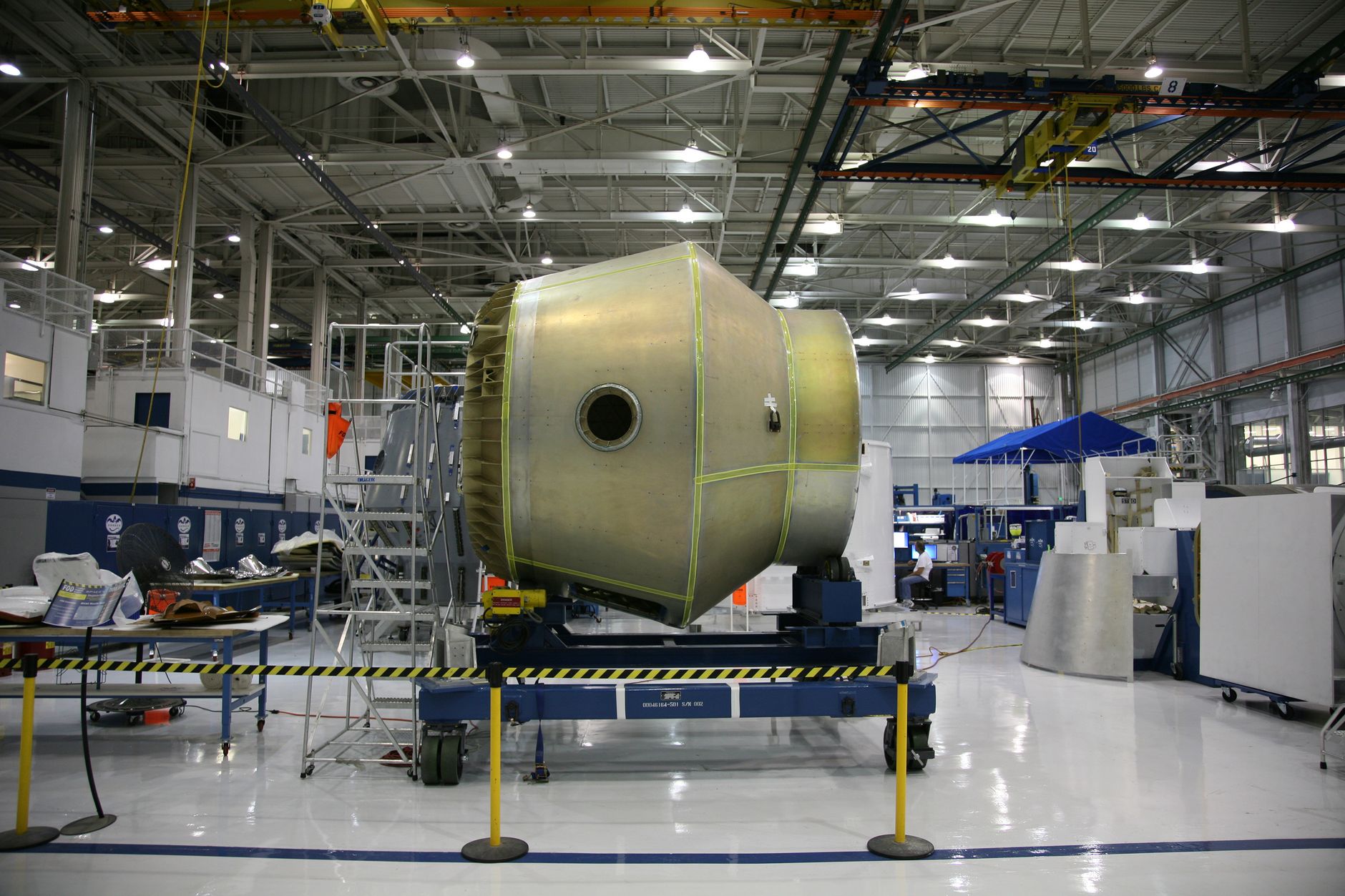
Photo by SpaceX on Pexels