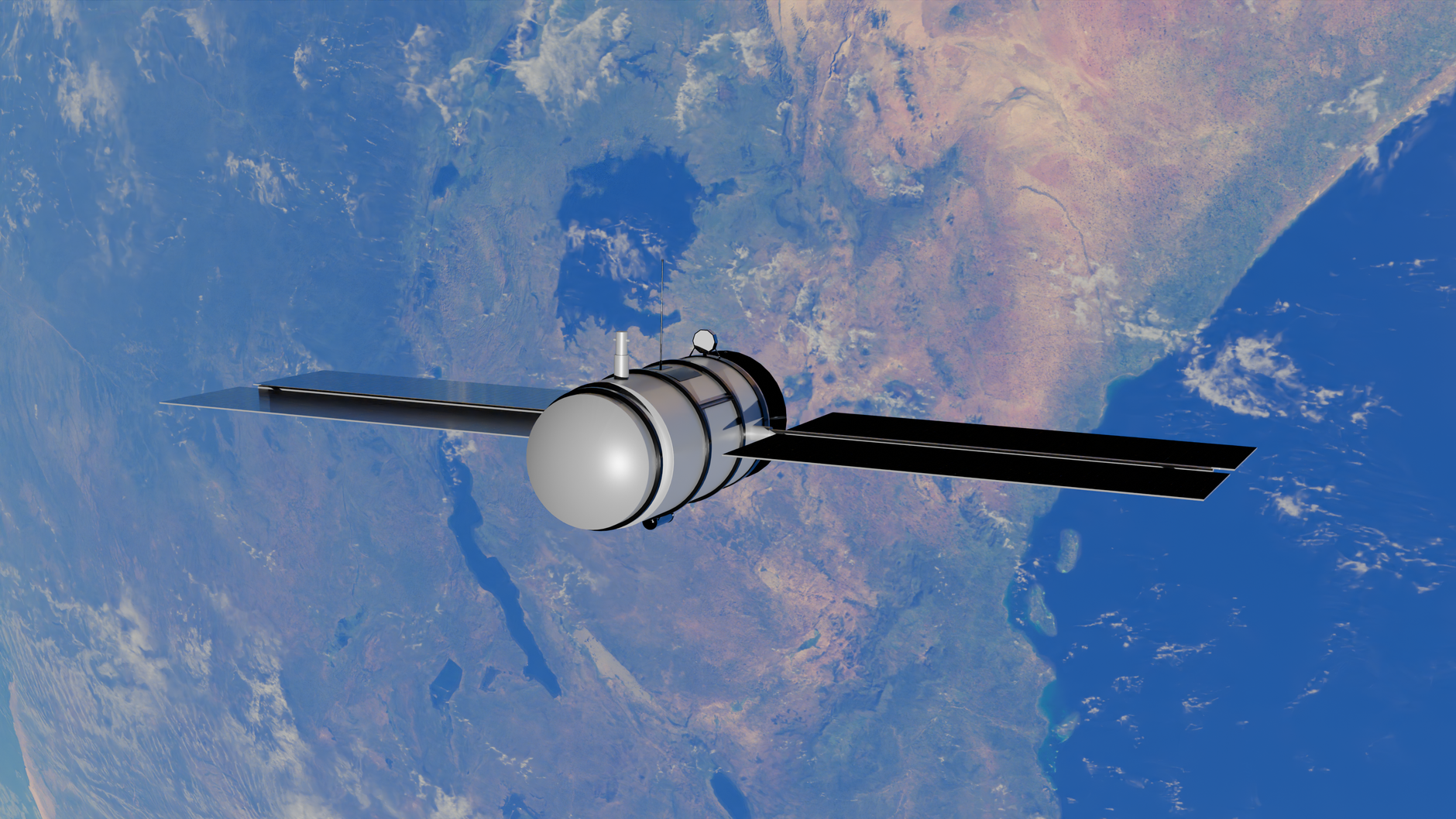
The Nuri rocket launch successfully deployed 15 satellites, marking a significant achievement in space exploration. This milestone demonstrates the growing capabilities of South Korea’s space program.
Overview of the Nuri Rocket Launch
The recent Nuri rocket launch marks a significant achievement in space exploration, successfully deploying a total of 15 satellites into orbit. This milestone not only highlights the advanced capabilities of the Nuri rocket but also demonstrates the growing expertise of the team behind its development.
The launch took place at the space center, capturing the attention of both national and international audiences. The satellites are intended for various purposes, including scientific research, telecommunications, and Earth observation.
Key objectives of this mission were:
- Enhancing satellite communication systems.
- Expanding research capabilities in space science.
- Supporting global partnerships in satellite technology.
With the success of the Nuri rocket launch, the future of space endeavors looks promising as nations continue to collaborate and innovate in this critical field.
Significance of Deploying 15 Satellites
The recent Nuri rocket launch marks a significant milestone in space exploration, particularly through the successful deployment of 15 satellites. This achievement not only showcases the capabilities of the Nuri rocket but also enhances South Korea’s position in the global aerospace industry.
Deploying multiple satellites simultaneously offers several advantages:
- Cost Efficiency: Launching multiple satellites in one mission reduces costs associated with individual launches.
- Increased Coverage: The variety of satellites allows for enhanced data collection across different fields such as communication, earth observation, and scientific research.
- Technological Advancement: Each successful launch contributes to the refinement of technology and boosts national pride in domestic capabilities.
Overall, the successful Nuri rocket launch underscores a pivotal step towards more ambitious future missions.
Technological Advancements in Space
The recent Nuri rocket launch marks a significant milestone in the realm of space technology, showcasing remarkable advancements that have been achieved. This mission not only highlights the growing capabilities of the Nuri rocket but also emphasizes its role in enhancing satellite deployment strategies.
Among the notable technological innovations demonstrated during the launch are:
- Improved Propulsion Systems: The Nuri rocket utilizes cutting-edge engines that provide greater thrust and efficiency.
- Enhanced Payload Capacity: The rocket’s design allows for the deployment of multiple satellites in a single mission.
- Advanced Navigation Technology: Precision guidance systems ensure accurate placement of satellites in orbit.
These advancements not only contribute to the success of the Nuri rocket launch but also pave the way for future missions, further solidifying its position in the competitive space industry.
Future of South Korea’s Space Program
The recent success of the Nuri rocket launch marks a pivotal moment for South Korea’s aspirations in space exploration. With the deployment of 15 satellites, the nation has demonstrated its growing capabilities in the aerospace sector.
Looking ahead, South Korea aims to enhance its satellite technology and expand its reach in international collaborations. Key areas of focus include:
- Increased Investment: Plans to boost funding for research and development in space technologies.
- International Partnerships: Collaborating with other countries to share knowledge and resources.
- Ambitious Missions: Future missions may include lunar exploration and deeper space studies.
As the country builds on the momentum from the Nuri rocket launch, the future of its space program looks promising and filled with opportunities.
Challenges Faced During Launch
Despite the successful deployment of 15 satellites, the Nuri rocket launch faced several challenges that tested the capabilities of South Korea’s space program. Engineers encountered issues during the final stages of preparation, with unexpected weather conditions causing delays in the launch schedule. Additionally, the integration of multiple satellites into a single mission posed logistical hurdles, requiring precise coordination and timing.
Moreover, the complexity of the rocket’s design led to rigorous testing phases to ensure reliability. The team worked around the clock to address potential malfunctions, highlighting the need for thorough checks before liftoff. These challenges emphasized the importance of resilience and innovation in overcoming obstacles in the quest for space exploration. Ultimately, the successful Nuri rocket launch is a testament to South Korea’s determination to advance its aerospace capabilities.
International Reactions to the Success
The successful Nuri rocket launch, which deployed 15 satellites, has garnered significant international attention and praise. Global space experts have recognized the achievement as a major milestone for South Korea’s growing capabilities in space exploration.
Countries such as the United States and Japan expressed their admiration, with many officials commending the technological innovations that made this launch possible. Dr. Emily Chen, a prominent aerospace engineer, stated, “The Nuri rocket launch demonstrates South Korea’s potential to become a leader in the space industry.”
Furthermore, international collaborations are expected to increase as nations look to partner with South Korea for future missions. The successful launch has not only elevated South Korea’s status in the global space community but also sparked discussions on potential joint ventures in satellite technology and research.
Next Steps for the Nuri Program
The recent success of the Nuri rocket launch marks a pivotal moment for South Korea’s space ambitions. As the program moves forward, several key steps are being prioritized to maintain momentum and enhance capabilities.
- Expansion of Launch Capacity: Plans are underway to increase the frequency of launches, allowing for more satellites to be deployed in the coming years.
- International Collaboration: South Korea aims to strengthen partnerships with global space agencies to share knowledge and resources.
- Investment in Research: Continued investment in R&D will focus on developing next-generation rockets and improving satellite technology.
- Public Engagement: Initiatives to raise awareness and interest in space exploration are expected to inspire future generations.
These steps are crucial for solidifying South Korea’s position in the global space industry.