
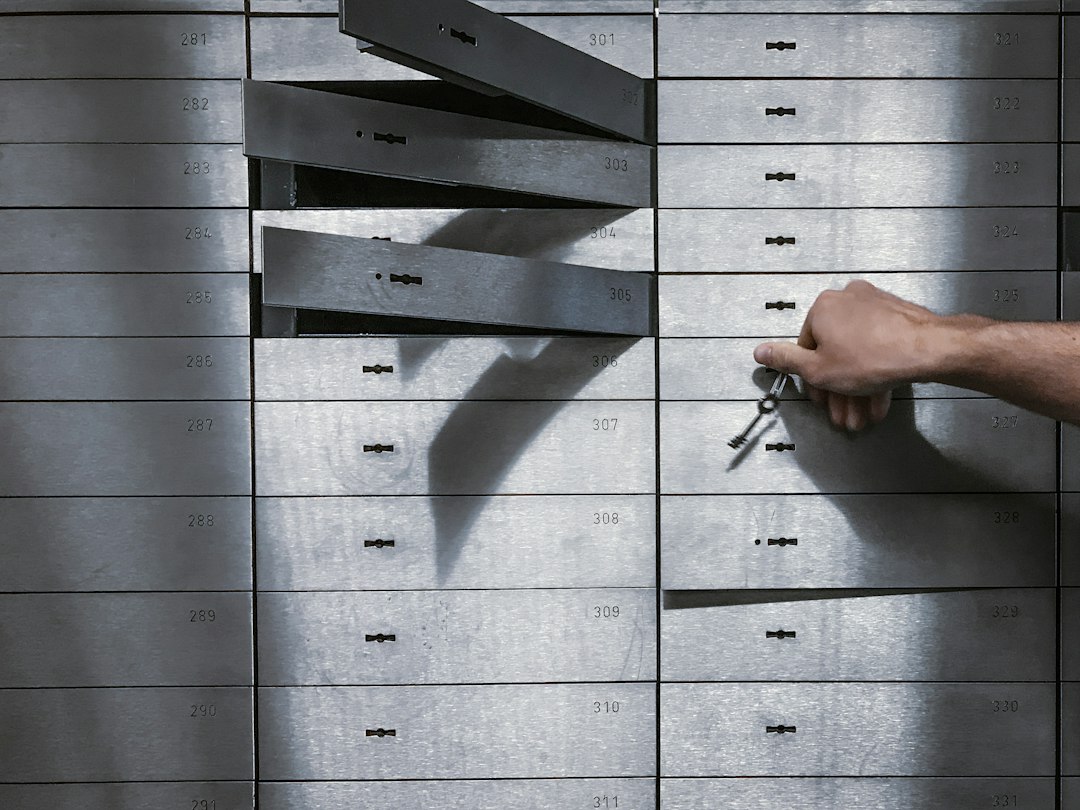
The value of a collection is often measured by more than its purchase price. Rarity, historical significance, craftsmanship, personal interest, and years of careful acquisition can all contribute to its importance. As collections grow, choosing an appropriate place for valuable pieces becomes an essential part of responsible ownership. safe deposit boxes provide collectors with a dedicated storage option for compact valuables, allowing important pieces to remain organized and carefully protected when they are not being displayed or used.
Jump To
- Collection Growth Changes Storage Needs
- Security Becomes Part of the Collecting Strategy
- Different Collectibles Need Different Attention
- Documentation Makes Collections Easier to Understand
- Rare Coins Require Consistent Handling
- Jewelry Collections Can Benefit From Separation
- Precious Metals Can Be Catalogued Efficiently
- Collectors Can Create a More Professional Routine
- Family Collections Gain Long-Term Value
- Dedicated Storage Supports Peace of Mind
- Building a Sustainable Collection Management System
- Conclusion
Collection Growth Changes Storage Needs
A small collection can usually be managed with simple organizational methods, but expanding collections require greater attention to storage. More pieces mean more records, more individual storage requirements, and a stronger need for consistency.
Collectors may gradually accumulate coins, jewelry, watches, precious metals, gemstones, memorabilia, or other valuable objects. A dedicated storage arrangement allows these items to remain grouped according to the collector’s preferred system, creating a more professional collection-management environment.
Security Becomes Part of the Collecting Strategy
Acquiring a valuable item is only one part of ownership. Preserving it properly can be equally important. Collectors often consider storage alongside purchasing, cataloguing, valuation, and maintenance.
A dedicated secure location can provide an additional layer of protection for pieces that are not required for everyday access. This allows collectors to keep their most important items in a purpose-specific environment while maintaining convenient records about what is being stored.
Different Collectibles Need Different Attention
Every collection has its own characteristics. A collection of vintage watches has different storage considerations from a collection of rare coins or precious-metal pieces.
Collectors can organize items according to material, category, size, or condition. Using suitable protective holders can further support preservation. This customized approach helps ensure that each piece receives appropriate attention instead of treating an entire collection as a single group.
Documentation Makes Collections Easier to Understand
Detailed records can transform a group of valuable objects into a well-managed collection. Collectors can maintain information about acquisition dates, descriptions, identifying marks, photographs, estimated values, and other relevant details.
Digital cataloguing tools can make these records easier to update. A current inventory also gives collectors a useful overview of their holdings without requiring every individual piece to be physically handled.
Rare Coins Require Consistent Handling
Coin collections are a strong example of why organized storage matters. Collectors often pay close attention to condition, appearance, rarity, and identifying characteristics.
Individual holders can help keep coins separated and make inspection more convenient. A corresponding inventory can record important details for each piece. Keeping the collection systematically arranged also makes it easier to identify additions and maintain an accurate catalogue as the collection develops.
Jewelry Collections Can Benefit From Separation
Precious jewelry can contain delicate surfaces and components that benefit from individual organization. Rings, bracelets, necklaces, gemstones, and watches can be stored in separate protective compartments to create a cleaner arrangement.
Collectors can also maintain photographs of individual pieces. Combining visual documentation with physical organization provides a useful reference and makes the collection easier to monitor over time.
Precious Metals Can Be Catalogued Efficiently
Precious-metal collections may include coins, bars, commemorative pieces, or specially crafted objects. Because several items can have similar appearances, accurate identification becomes increasingly useful as the collection expands.
Recording descriptions, dimensions, distinguishing features, and other relevant information can simplify management. Secure storage complements this recordkeeping process by providing a consistent location for selected pieces.
Collectors Can Create a More Professional Routine
A well-organized collection benefits from regular maintenance. Collectors can establish a schedule for reviewing inventories, updating records, checking protective materials, and documenting newly acquired pieces.
This routine can also help identify gaps in documentation. Over time, consistent recordkeeping creates a valuable historical account of the collection, including how it developed and which pieces have particular significance.
Family Collections Gain Long-Term Value
Many collections eventually become family assets or are passed between generations. Proper organization today can make future ownership considerably easier.
A documented collection gives future custodians information about individual items and their background. Written descriptions, photographs, acquisition information, and other records can preserve knowledge that might otherwise be forgotten.
Dedicated Storage Supports Peace of Mind
Collectors often spend considerable time researching and selecting individual pieces. Knowing that important items have a designated storage location can make collection management feel more structured.
Instead of treating storage as an occasional task, collectors can make it part of their overall preservation strategy. Secure placement, organized records, and suitable protective materials work together to support the long-term care of valuable possessions.
Building a Sustainable Collection Management System
The strongest storage approach is one that can continue working as the collection grows. Collectors can establish categories, maintain updated inventories, use protective packaging, and review their arrangements periodically.
This creates a flexible system that can accommodate new acquisitions without disrupting the organization of existing pieces. A thoughtful storage strategy also allows collectors to focus more confidently on the enjoyment and appreciation of their collections.
Conclusion
Precious collections represent time, expertise, personal interest, and often significant financial value. As collections become larger and more diverse, dedicated storage can provide an effective foundation for organization and preservation. By combining secure placement with careful handling, detailed documentation, and regular collection reviews, collectors can create a structured system that supports their prized possessions today while helping preserve their significance for the future.
Key Points
- The value of a collection is influenced by factors such as rarity, historical significance, craftsmanship, and personal interest, not just purchase price.
- As collections grow, the need for organized and secure storage becomes increasingly important to manage additional records and individual storage requirements.
- Different types of collectibles, like vintage watches and rare coins, require distinct storage considerations to ensure proper preservation and easy access.
- A detailed inventory of a collection, including acquisition dates and estimated values, transforms valuable objects into a well-managed collection and aids in oversight.
- Precious jewelry collections benefit from individual organization to protect delicate components, and visual documentation enhances monitoring and management.
- Proper organization in collections not only aids in current ownership but also preserves valuable information for future custodians and generations.