
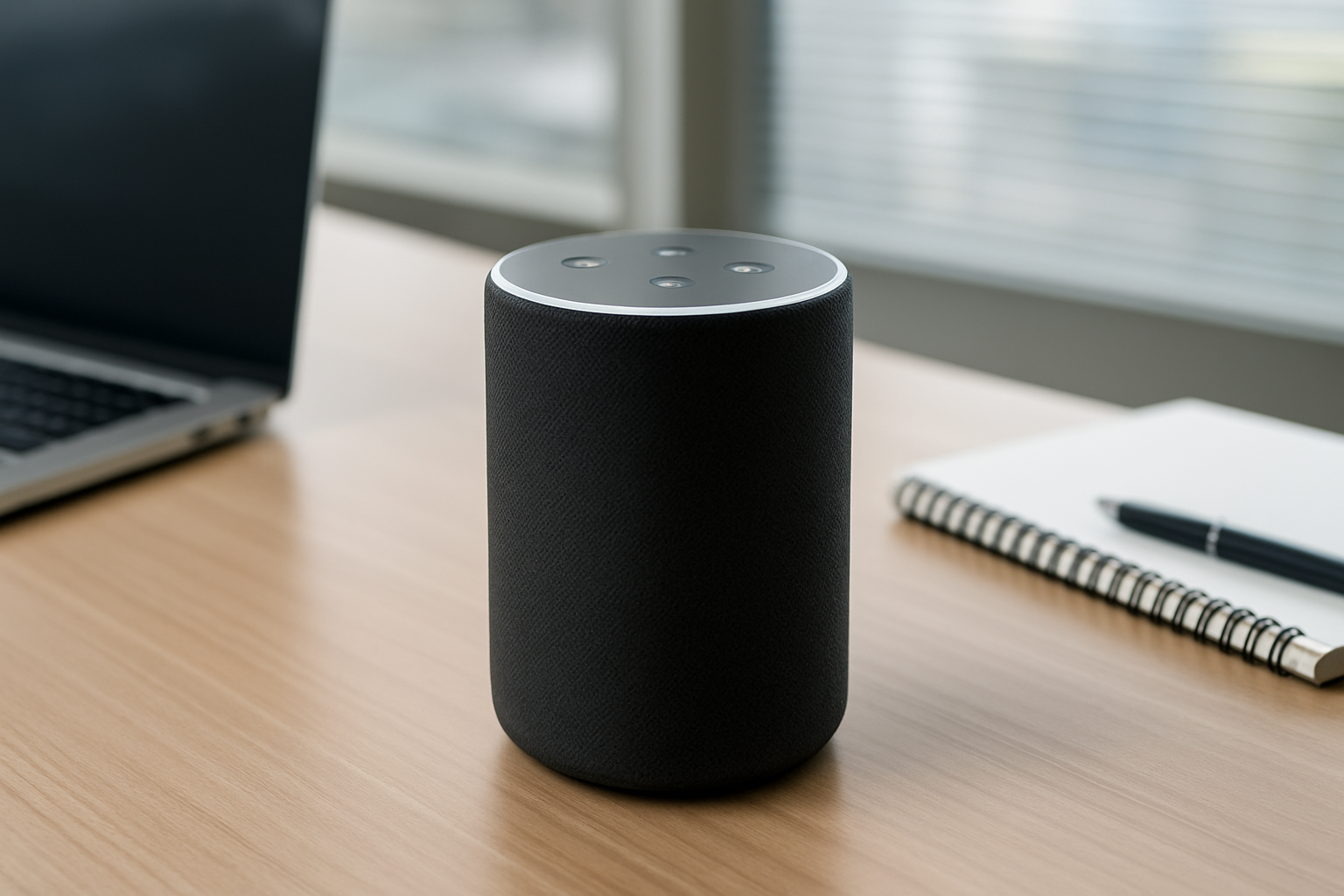
In today’s rapidly evolving digital ecosystem, businesses are increasingly relying on intelligent automation to streamline communication and enhance customer engagement. One of the most impactful innovations in this space is the AI Voice Agent, which delivers advanced AI-powered solutions for automated voice interactions. These systems are designed to replicate human conversation, understand natural speech, and execute tasks efficiently without manual intervention. As organizations seek smarter, faster, and more scalable communication tools, voice-driven AI is becoming a core part of digital transformation strategies.
What is an AI voice agent and how does it deliver automation?
An AI voice agent is an intelligent software system that enables machines to communicate with users through spoken language. It uses artificial intelligence, machine learning, and speech processing technologies to understand and respond to human voice inputs.
When a user speaks, the system captures audio and converts it into text using speech recognition technology. Then natural language processing analyzes the intent and context behind the message. After understanding the request, the AI generates a relevant response and converts it back into speech using advanced text-to-speech engines.
This automated workflow allows businesses to handle communication without human involvement for routine tasks. It improves efficiency, reduces workload, and ensures consistent service delivery across all interactions.
Why are advanced AI voice solutions important for modern businesses?
Advanced AI voice solutions are essential because businesses today operate in a fast-paced environment where instant communication is expected. Customers want quick responses, accurate information, and seamless interaction experiences.
AI voice agents meet these expectations by providing real-time communication without delays. They can manage thousands of conversations simultaneously, making them highly scalable for businesses of all sizes.
Another important factor is cost efficiency. By automating repetitive tasks such as answering FAQs, handling support requests, or processing simple transactions, businesses can significantly reduce operational expenses.
Additionally, these systems ensure 24/7 availability, allowing companies to serve global customers across different time zones without interruption.
How do AI voice agents enable automated voice interactions?
Automated voice interactions are made possible through a combination of intelligent technologies working together seamlessly.
Speech recognition converts spoken language into structured data that machines can process. This is the first step in automation.
Natural Language Processing (NLP) interprets meaning, detects intent, and understands context within conversations. It allows the system to respond intelligently instead of relying on fixed scripts.
Machine learning models enhance the system’s performance by learning from previous interactions and improving accuracy over time.
Text-to-speech technology generates natural-sounding voice responses that make conversations feel human-like.
Cloud-based infrastructure ensures scalability and enables real-time processing of large volumes of interactions without performance issues.
What industries benefit most from AI voice automation?
AI voice automation is transforming multiple industries by improving efficiency and customer engagement.
In customer service, voice agents handle inquiries, complaints, and support requests, reducing wait times and improving satisfaction.
In sales and marketing, they engage potential customers, provide product information, and guide users through purchasing decisions.
In banking and finance, they assist with account inquiries, transaction updates, fraud alerts, and secure authentication processes.
In healthcare, they support appointment scheduling, patient reminders, and basic health information services.
In e-commerce, they assist customers with order tracking, returns, product recommendations, and checkout support.
In logistics, they provide real-time updates on shipments, delivery tracking, and route information.
This wide range of applications demonstrates how AI voice agents are becoming essential across all major sectors.
How does AI improve the quality of voice interactions?
Artificial intelligence significantly enhances the quality of voice interactions by making them more natural, accurate, and responsive.
Unlike traditional systems that rely on fixed scripts, AI voice agents understand context and adapt to different conversation styles.
They can recognize variations in accents, tone, and phrasing, making communication more inclusive and user-friendly.
Advanced AI models also introduce emotional intelligence, allowing systems to detect sentiment and adjust responses accordingly.
For example, the system can respond empathetically to frustrated users or provide a more enthusiastic tone during sales conversations.
This creates a more engaging and human-like interaction experience.
What technologies support advanced AI voice systems?
Several advanced technologies work together to power AI voice systems.
Speech recognition is responsible for converting spoken words into machine-readable text. It forms the foundation of voice interaction.
Natural Language Processing enables understanding of language structure, intent, and context.
Machine learning allows systems to improve over time through continuous learning from user interactions.
Deep learning models enhance speech synthesis, making voice output more natural and expressive.
Cloud computing provides the infrastructure needed to process large-scale voice data efficiently and in real time.
Integration APIs connect voice agents with business tools such as CRM systems, databases, and support platforms.
How do AI voice agents improve customer experience?
Customer experience is greatly improved through automation, speed, and personalization.
AI voice agents eliminate long waiting times by providing instant responses to customer queries.
They ensure consistent communication, reducing human errors and service inconsistencies.
Personalization is another key benefit. AI systems can access customer history and preferences to provide tailored responses.
They also support multilingual communication, making services accessible to global audiences.
By offering 24/7 availability, voice agents ensure customers receive support whenever they need it.
This combination of speed, accuracy, and accessibility significantly enhances overall satisfaction.
How are AI voice agents integrated into business systems?
Integration is a critical aspect of AI voice automation systems. Voice agents are designed to connect seamlessly with existing business infrastructure.
They integrate with CRM platforms to access customer data and history in real time.
They connect with ERP systems to retrieve operational and transactional information.
They also link with support ticketing systems to automatically create and update customer requests.
Through API-based architecture, AI voice agents can trigger automated workflows such as sending emails, updating records, or escalating issues to human agents.
This level of integration ensures smooth and efficient business operations.
What challenges exist in implementing AI voice automation?
Despite their benefits, implementing AI voice systems comes with challenges.
One major challenge is handling complex or ambiguous user queries that require deep contextual understanding.
Another issue is integrating with outdated legacy systems that may not support modern AI technologies.
Data privacy and security concerns are also critical, especially when handling sensitive customer information.
Background noise and speech variations can sometimes affect recognition accuracy.
Additionally, initial deployment and training require investment in time and technical resources.
However, continuous advancements in AI are rapidly reducing these limitations.
What is the future of AI voice agents in automation?
The future of AI voice agents is focused on deeper intelligence, emotional awareness, and seamless integration into everyday life.
Future systems will be capable of understanding emotions more accurately, enabling empathetic and context-aware responses.
Real-time multilingual translation will break language barriers and enable global communication.
Voice agents will also become more proactive, anticipating user needs before they are expressed.
Integration with IoT devices will expand their role in smart homes, offices, and industrial environments.
As automation becomes more advanced, AI voice agents will serve as central communication interfaces for businesses and consumers alike.
In conclusion, AI voice agents represent a powerful advancement in automated communication technology. By combining artificial intelligence, speech processing, and real-time analytics, they deliver intelligent, scalable, and human-like voice interactions that are reshaping modern business operations.